Coloured Concrete Frankston, Colour Right Through the Slab
What Coloured Concrete Is
Concreting across Frankston, the bayside suburbs and the northern Mornington Peninsula, with a fixed written quote on every job.
Coloured concrete is concrete that has been given a colour other than standard grey, most often by mixing iron oxide pigments into the concrete at the batching plant so the colour runs right through the slab. It gives a driveway, path or patio a smooth, uniform finish in tones from charcoal and slate grey to sandstone, buff and terracotta, at a cost well below most decorative finishes. Peak Concreting Frankston lays coloured concrete across Frankston, Seaford, Carrum Downs, Langwarrin, Mount Eliza and the northern Mornington Peninsula, choosing the colour against the house and finishing and sealing it so the colour stays even. In the strong coastal sun near the bay, how the slab is finished, cured and sealed matters as much as the pigment.
GET A FREE QUOTE
Peak Concreting Frankston
Coloured Concrete Frankston: Driveways, Paths, Patios and Pool Areas
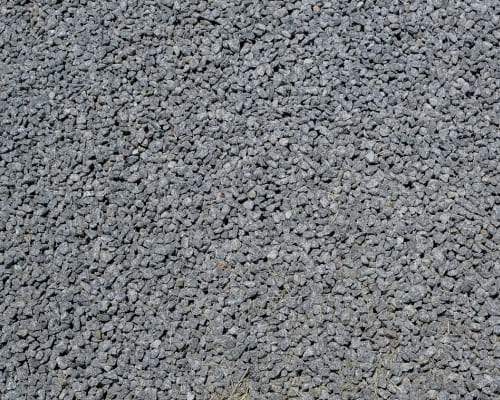
Coloured concrete in Frankston is mostly used where a home owner wants a neater, more finished look than plain grey without the cost or texture of exposed aggregate or stamped concrete. It suits driveways, front paths, patios and alfresco areas, and with the right finish and sealer, pool surrounds. The colour can be used across the whole area or combined with plain or contrasting concrete to create borders and bands.
Coloured concrete driveways
A coloured concrete driveway is one of the most common uses, giving the front of a home a clean, uniform look that ties in with the roof, render or brickwork. Darker colours such as charcoal hide oil and tyre marks better than pale grey, which matters on a driveway. The driveway is built exactly like a plain one, on a compacted base with mesh and joints, and the colour is added in the mix. A broom or textured finish is used on sloping driveways for grip, and the surface is sealed to protect the colour.
Paths, patios and alfresco areas
On paths, patios and alfresco areas coloured concrete gives a finished, contemporary look that is smoother and more comfortable underfoot than exposed aggregate. Warmer sandstone and buff tones are popular around outdoor living areas because they look softer than grey and stay cooler than charcoal in summer. Around pools, a lighter colour with a slip-resistant finish and sealer is used, because bare feet and wet surfaces call for grip and a cooler surface.
Coloured borders and feature bands
Coloured concrete is often used for borders, bands and feature strips around plain or decorative concrete. A charcoal border around a lighter driveway, a contrasting band where a path meets the house, or coloured strips between panels of exposed aggregate add definition at a small extra cost. Borders are poured separately from the main area, with joints at the change of colour, so each section keeps a crisp edge.
Peak Concreting Frankston
How Concrete Is Coloured: Oxides, Colour Hardeners and Stains
There are three main ways to colour concrete, and they differ in how deep the colour goes, how strong it can be and whether they suit new or existing slabs. The choice affects durability, cost and the look, so it is settled before the concrete is ordered. For most new driveways, paths and patios around Frankston, integral colour mixed through the whole batch is the standard method, with the other two used for particular looks or existing concrete.
Integral colour mixed through the batch
Integral colouring adds iron oxide pigments to the concrete at the plant or into the truck, so the whole slab is coloured right through. Because the colour runs through the full depth, chips and wear reveal the same colour rather than grey. Iron oxide pigments are stable in sunlight and do not break down, although the surface can look lighter over time as the cement paste on top weathers. The strength of the colour depends on the dose of pigment relative to the cement, which is set when the concrete is ordered.
Dry-shake colour hardeners
A dry-shake colour hardener is a powder of pigment, cement and fine hard aggregate broadcast onto the surface of freshly placed concrete and trowelled in. It gives a more intense, vivid surface colour than integral pigment at the same cost, and it hardens the top layer, improving wear resistance. Colour hardeners are commonly used under stamped finishes and where a strong colour is wanted on a high-traffic surface. The colour is concentrated at the surface rather than through the slab.
Acid stains and tinted sealers on existing concrete
Existing concrete cannot be coloured through, but it can be coloured on the surface. Acid stains react chemically with the concrete to produce mottled, variegated tones, which suits a natural, stone-like look. Tinted sealers and colour coatings add an even colour in a film on top of the slab. Both are used to change the colour of an old driveway or patio without replacing it, though they wear with the surface and need renewing. For a tired but sound slab, colour concrete sealing is often the most economical option.
Peak Concreting Frankston
Getting an Even Colour: Batching, Finishing and Curing
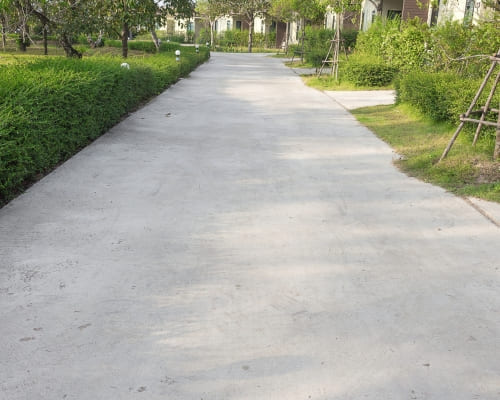
The most common complaint about coloured concrete is uneven colour: patches, streaks or sections that look lighter or darker than the rest. Almost all of it is caused on the day of the pour, by changes in the mix, the finishing or the curing, rather than by the pigment. Careful control at each stage is what gives a coloured slab a consistent tone from one end to the other, and none of it can be corrected once the slab has set.
One mix, one supplier and consistent water
Every load of coloured concrete on a job is ordered from the same plant with the same mix design and pigment dose, so each truck arrives at the same colour. Adding water on site to make the concrete easier to work is the biggest cause of patchy colour, because extra water makes the concrete lighter, so the mix is kept consistent from the first load to the last. Large areas are poured in one session where possible, and where a pour has to be split, the break is placed at a planned joint.
Efflorescence and patchy colour
Efflorescence is a white, powdery deposit that appears on the surface as salts in the concrete are carried up by water and left behind when it evaporates. On coloured concrete it shows clearly and makes the colour look washed out and patchy. It is reduced by a good mix, proper curing and sealing, and where it does appear it can usually be cleaned off with a suitable cleaner before the slab is sealed. It is a surface effect, not a defect in the concrete itself.
Curing without blotches
Concrete is cured by keeping it moist while it gains strength, but on coloured concrete the method matters. Plastic sheeting laid directly on the surface can leave dark and light blotches where it touches unevenly, so coloured slabs are cured with a compatible curing compound or curing sealer applied evenly across the whole surface. Hot, windy days near the bay dry the surface quickly, so coloured concrete is finished and cured promptly to avoid uneven drying.
Peak Concreting Frankston
What Coloured Concrete Costs in Frankston
Coloured concrete costs more than plain grey concrete because of the pigment, and the extra depends mostly on the colour and how strong it is. It generally costs less than exposed aggregate and stamped concrete, which need more labour on the day. The base, thickness, reinforcement and joints are the same as for a plain slab, so most of the cost of a coloured driveway is the same as a plain one. A fixed price is given after the area has been measured and the colour chosen.
How coloured concrete is priced against plain
Coloured concrete is priced per square metre like plain concrete, with an addition for the pigment, which is charged per cubic metre of concrete. Because pigment is added to the whole depth of the slab, thicker slabs use more of it. Larger areas spread the setup cost and bring the rate per square metre down. Removing an old driveway, difficult access and steep or sandy blocks that need extra base preparation affect the price in exactly the same way as they do for plain concrete.
Pigment dose, colour strength and sealing
The colour itself affects the price. Light, subtle tones need less pigment than strong, dark colours such as deep charcoal, and some colours use more expensive pigments than others, so a strong charcoal or terracotta costs more than a light buff or grey. A colour hardener adds labour and material on the day. Sealing is part of a coloured concrete job rather than an optional extra, because it protects the colour, and the cost of the first seal is included in the quote.
Peak Concreting Frankston
Coloured Concrete Versus Plain, Exposed Aggregate and Stamped
Coloured concrete sits between plain concrete and the more decorative finishes on cost and appearance. The choice usually comes down to budget, the look wanted, how much texture is needed for grip and how well the surface needs to hide dirt. Around Frankston, where sand and salt are tracked across driveways and paths, how a finish copes with grime is often as important as how it looks on the first day.
Versus plain and exposed aggregate
Plain grey concrete is the cheapest finish and hard-wearing, but it looks utilitarian and shows oil and tyre marks. Coloured concrete costs a little more and gives a neater, coordinated look, with darker tones hiding marks better. Exposed aggregate costs more again but hides dirt and wear best of all and gives more grip, which makes it the more practical choice on steep driveways. Coloured concrete suits flatter areas where a smooth, contemporary finish is preferred.
Versus stamped concrete
Stamped concrete uses colour too, usually a colour hardener with a contrasting release agent, and then presses a pattern into the surface to imitate pavers, slate or stone. It gives the most decorative result but costs more, needs more maintenance to keep its sealer and colour fresh, and the pattern can collect dirt. Coloured concrete without stamping is simpler, cheaper and easier to look after, which is why it is more common on everyday driveways and paths.
Peak Concreting Frankston
Concrete Driveway Colours: Charcoal, Grey, Sandstone and Terracotta
Choosing a concrete driveway colour is mostly about the house: the roof, the walls, the trim and the garden. A colour that looks right in a brochure can clash with a particular roof or look very different in full sun, so colours are compared on site against the actual house before the concrete is ordered. Most suppliers offer a range of standard colours, and the shade can be adjusted with the pigment dose.
The most popular driveway colours
Charcoal and dark grey are the most popular driveway colours around Frankston, because they look modern, suit most rooflines and hide oil, tyre marks and dirt better than lighter shades. Mid greys and slate tones are a softer alternative that still hides marks well. Warm sandstone, buff and beige tones suit older brick homes and coastal-style houses, while terracotta and red-brown tones suit traditional brick and tiled roofs. Very pale colours look striking but show every stain.
Matching the colour to the house and roof
A driveway colour that picks up a tone from the roof, the window frames or the brickwork usually looks more deliberate than one chosen on its own. Dark roofs pair well with charcoal and slate driveways; warm brick and terracotta tiles suit buff, sandstone and red-brown tones; and rendered homes in light colours often suit mid greys. Contrasting a border or band against the main colour can tie two colours from the house together. Seeing samples against the actual walls is the most reliable way to decide.
How colours read in bright coastal light
Colours look different outdoors than indoors, and the bright, reflective light near the bay makes them look lighter and more washed out than in a showroom or in shade. Sealing deepens colours noticeably, so a sealed sample is the best guide to the finished look. Dark colours absorb more heat, which is worth considering for patios and pool areas used barefoot. Coloured concrete in full northern sun also tends to lighten slightly as the surface weathers over the first few years.
Peak Concreting Frankston
Fading, Sun and Salt: Keeping Coloured Concrete Looking New
Coloured concrete keeps its colour well if it is looked after, but strong sun, salt spray, foot and vehicle traffic and dirt all dull the surface over time. Most of what looks like fading is actually wear and weathering of the surface layer rather than the pigment breaking down. Regular cleaning and resealing keep it looking close to new for many years, which is much cheaper than recolouring or replacing it.
Why coloured concrete fades
Iron oxide pigments themselves are very stable in sunlight, but the cement paste at the surface weathers, leaving a lighter, slightly chalky appearance, and efflorescence can add a white bloom. Sealers that are worn through let water, dirt and salt reach the surface and accelerate the weathering. Near the bay, salt spray and sand carried on the wind add to the wear. Surfaces in full sun and on vehicle tracks lose their depth of colour fastest.
Sealing and resealing coloured concrete
A sealer is the main protection for coloured concrete. It deepens the colour, blocks UV-driven weathering of the surface, keeps out water, oil and salt, and makes cleaning easier. Coloured concrete is sealed soon after it has cured and resealed every few years, or sooner when water no longer beads on the surface. A colour-enhancing or tinted sealer can be used on reseals to keep the colour rich.
Restoring faded colour
Coloured concrete that has faded or gone patchy can usually be restored without replacement. The surface is cleaned thoroughly, efflorescence and old sealer are removed, and a tinted sealer matched to the original colour is applied to bring back an even, rich tone. Where the colour needs to change completely or the surface itself is worn, a colour coating or concrete resurfacing gives a new finish over the sound slab underneath.
TESTIMONIALS
What Our Coloured Concrete Customers Say About Us
The Process
3 Step Process For Your Coloured Concrete Needs

Free Quote
The colour is chosen against the house from samples, the area is measured, and a fixed written price is given including the pigment and first seal.

Preparation
The ground is excavated and compacted, formwork and mesh are set, and coloured concrete is ordered from one plant at one consistent mix.

Finish and Handover
The coloured concrete is placed and finished evenly, cured with a compatible compound, jointed and sealed to protect the colour.
Coloured Concrete in Frankston
FREQUENTLY ASKED QUESTIONS
Everything you need to know about our Coloured Concrete in Frankston
Is coloured concrete a good idea?
Coloured concrete is a good choice where a neater, more finished look than plain grey is wanted at a modest extra cost. It suits driveways, paths and patios, and darker colours hide marks well. It needs sealing and occasional resealing to keep its colour, and on steep driveways a textured finish is used for grip.
How do you get coloured concrete?
Most coloured concrete is made by adding iron oxide pigment to the concrete at the plant so the colour runs through the whole slab. A colour hardener can be trowelled into the surface for a stronger colour, and existing concrete can be coloured with acid stains, tinted sealers or coatings.
Is coloured concrete more expensive than plain?
Yes, slightly. Coloured concrete costs more than plain grey because of the pigment, with stronger, darker colours costing more than light tones. It generally costs less than exposed aggregate or stamped concrete, because the base, steel and labour are the same as for a plain slab.
Does coloured concrete show dirt?
It depends on the colour. Charcoal and dark grey hide oil, tyre marks and dirt better than any other plain finish, while very pale colours show stains readily. Sealing makes any coloured concrete much easier to clean, and darker or mid tones are usually recommended for driveways.
Will coloured concrete fade over time?
The iron oxide pigment itself is stable, but the surface weathers and can look lighter and duller over time, especially in full sun and near the coast. Sealing protects the colour, and resealing every few years, with a tinted sealer if needed, restores its depth.
What colours can I get, and can you match my house?
Coloured concrete comes in a wide range, from charcoal and slate grey to sandstone, buff, beige, terracotta and red-brown, and the shade can be adjusted with the pigment dose. Samples are compared against the roof, walls and trim on site so the colour suits the house.
Request A Free Coloured Concrete Quote
BUSINESS
SERVICES
OPERATING HOURS
Sun: 7:00am - 9:00pm
Mon: 7:00am - 9:00pm
Tue: 7:00am - 9:00pm
Wed: 7:00am - 9:00pm
Thu: 7:00am - 9:00pm
Fri: 7:00am - 9:00pm
Sat: 7:00am - 9:00pm