Concrete Repairs Frankston, Fixed at the Cause
What Concrete Repair Involves
Concreting across Frankston, the bayside suburbs and the northern Mornington Peninsula, with a fixed written quote on every job.
Concrete repair is the work of fixing damaged concrete, such as cracks, broken edges, spalling surfaces, rusting reinforcement and sunken or lifted sections, without replacing the whole slab. A good repair starts by finding out why the damage happened, because a crack filled without fixing its cause usually reopens within a season. Peak Concreting Frankston repairs driveways, paths, steps, patios, pool surrounds and garage floors across Frankston, Seaford, Carrum Downs, Langwarrin and the northern Mornington Peninsula. Much of the concrete around the bayside suburbs dates from the 1950s to the 1980s, so repairs are a large part of the work here, and the first visit always ends with a straight answer on whether repair, resurfacing or replacement is the better spend.
GET A FREE QUOTE
Peak Concreting Frankston
Concrete Repairs Frankston: Cracks, Spalling, Concrete Cancer and Trip Hazards
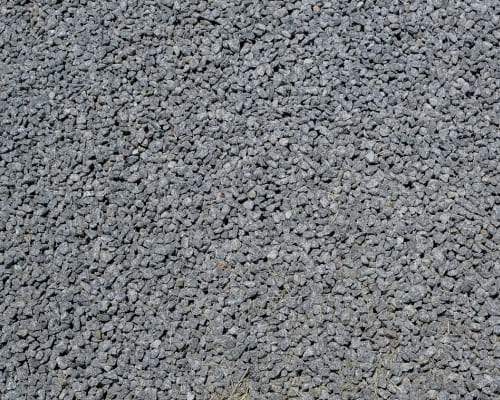
Concrete repairs in Frankston cover a handful of common problems, each with its own cause and its own fix. Cracks, surface breakdown, rusting steel inside the slab, failed joints and uneven sections that create trip hazards make up most of the work. Some are cosmetic, some are a safety issue on a path or step, and some are early signs of a slab that is moving. Telling them apart is the first job on every repair visit.
Cracks in driveways, paths and slabs
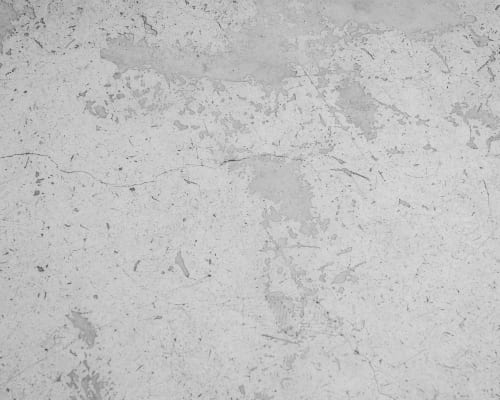
Fine hairline cracks are normal in concrete as it shrinks while curing, and on their own they are mostly cosmetic. Cracks that are wider than a few millimetres, that are getting wider over time, or where one side sits higher than the other usually mean something underneath has moved: the base has settled, clay has shrunk, or a tree root is pushing up. Cracks that run in a straight line along a sawn joint are the joint doing its job. The width, pattern and whether the two sides are level tell most of the story.
Spalling, scaling and concrete cancer
Spalling is when pieces of the concrete surface break away, leaving pits or flaking patches. It is often caused by water and salt working into the surface, by a weak top layer from poor finishing, or by steel reinforcement rusting inside the concrete. That last cause is commonly called concrete cancer: rust takes up more space than the steel it came from, so it expands and pushes the concrete off from inside, often showing first as rust stains and cracks along the line of the bar. It needs proper treatment, not just a patch. Scaling is the milder cousin of spalling: the thin top layer of cement paste flakes off in sheets, usually because the surface was over-worked or had water added during finishing, leaving the sand and small stones exposed. Scaled areas are cleaned back and patched or resurfaced.
Open, lifted and failed joints
Expansion and control joints let concrete slabs move without cracking at random, but over the years their filler and sealant break down. Open joints let water and sand wash out from under the slab, collect weeds and dirt, and allow neighbouring sections to drop or lift relative to each other, which is how most trip hazards on paths and driveways start. Cleaning out and resealing joints with a flexible sealant, and levelling sections that have moved, stops the problem spreading.
Peak Concreting Frankston
Finding the Cause: Sand, Clay, Tree Roots and Salt Air
The ground and climate around Frankston produce a recognisable set of concrete problems, and the cause decides the repair. Concrete on the loose coastal sands behaves differently from concrete on reactive clay inland, and homes close to the bay face salt that properties a few kilometres inland do not. Diagnosing the cause on site, before anything is quoted, is what keeps a repair from failing in the same place a year later.
Settlement on loose bayside sand
Along the bayside strip through Seaford, Frankston and Carrum Downs, a lot of older concrete was poured on sand that was never properly compacted. Over time the sand consolidates or is washed out by water running under the slab, and sections sink, usually at the edges, beside downpipes and garden beds, and at the crossover where vehicles turn. The tell-tale signs are a dropped edge, a step at a joint, or water pooling where it never used to. Repair means restoring support underneath, not just filling the crack on top.
Reactive clay and tree roots
Inland around Langwarrin, Frankston South and the higher peninsula suburbs, reactive clay swells in wet winters and shrinks in dry summers, lifting and dropping slabs with the seasons. The cracks this produces often open in summer and close in winter. Large trees make it worse by drawing moisture from the clay and sending roots under paths and driveways, which lift slabs and break them. Managing water near the concrete and dealing with the roots, or the tree, is part of a lasting repair.
Salt, moisture and rusting reinforcement near the bay
Salt carried in the sea breeze settles on outdoor concrete close to the bay, and wet winters carry it into the surface. Where the steel reinforcement was laid too close to the surface, or the concrete is porous, moisture and salt reach the steel and it begins to rust. Pool surrounds and paths beside salt-water pools face the same process. The result is spalling and concrete cancer, which is treated by exposing and cleaning or replacing the rusted steel before rebuilding the concrete and sealing it.
Peak Concreting Frankston
How Concrete Is Repaired: Routing, Patching, Grinding and Stitching
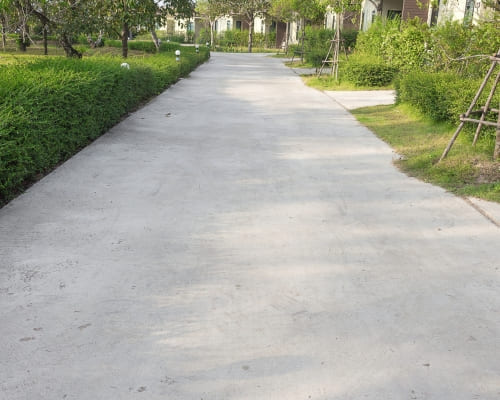
Concrete repair uses a small set of proven methods, matched to the type of damage. The aim in every case is a repair that bonds to the original concrete, moves with it where it needs to, and stops water getting in. Cheap repairs fail because they skip preparation, use the wrong material for the movement involved, or patch over a cause that is still active, so the method is chosen only after the cause is known.
Routing and sealing cracks
A crack that is stable but open is first widened slightly and cleaned with a crack chaser, a process called routing, which gives the filler a clean, even channel to grip. Dust and loose material are blown out. Cracks that may still move with the seasons are filled with a flexible polyurethane or similar sealant, which stretches rather than breaking; stable cracks can be filled with a rigid epoxy or cementitious filler. Sealing cracks keeps water out of the base and slows further damage.
Patching with polymer-modified repair mortar
Spalled patches, broken edges and pitted areas are cut back to sound concrete with square edges, cleaned and primed, then rebuilt with a polymer-modified repair mortar designed to bond to old concrete and resist shrinkage. Where rusted steel is exposed, it is cleaned back to bright metal and treated, or cut out and replaced, before the patch goes on. The patch is finished to match the surrounding surface as closely as possible and cured properly, and the area is often sealed afterwards.
Grinding trip hazards level
Where one section of a path or driveway has lifted slightly above its neighbour, the raised edge can often be ground down with a diamond grinder to remove the trip hazard. This is quick, tidy and much cheaper than replacing the section, and it suits small differences in level on otherwise sound slabs. Larger steps, or sections that are still moving because of roots or settlement, need the cause addressed or the section replaced, because grinding alone will not keep the surface level.
Stitching structural cracks
Some cracks run through the full depth of a slab or wall and have separated it into pieces. Where the slab is otherwise sound and the movement has stopped, the crack can be stitched: slots are cut across the crack at intervals, and steel stitching bars or staples are set into them with epoxy or repair mortar, tying the two sides back together. Stitching restores continuity without replacing the slab, but it is only used once the cause of the crack has been dealt with.
Peak Concreting Frankston
Sunken and Uneven Concrete: Lift, Level or Re-Pour
Sunken concrete is one of the most common repair requests around Frankston, especially on paths beside houses, at driveway edges and around garages. A section that has dropped can hold water against the house, create a trip hazard and leave a slab unsupported. There are two broad ways to deal with it, and which one suits depends on why the section sank, how far it has moved and whether the concrete itself is still in one piece.
When a sunken section can be lifted
Where a slab has sunk but is still whole, it can sometimes be raised back to level by injecting material underneath it. Slab lifting is done by specialist contractors who pump grout or expanding polyurethane foam through small holes drilled in the slab, filling the void and lifting the concrete. It works best on sand where the slab has settled evenly, and it avoids demolition. It does not suit broken slabs, sections still being moved by tree roots, or concrete that has cracked into several pieces, and the void that caused the sinking must not still be growing.
When it is cut out and re-poured
Where a section is broken, badly tilted or has been lifted by roots, the most reliable fix is to saw-cut it out along clean lines, remove it, correct the ground beneath, and pour a new section. The base is excavated, compacted and topped with crushed rock, the new section is dowelled into the neighbouring slabs so it stays level with them, and the joints are sealed. Matching the colour of new concrete to old is never exact, so on a visible driveway owners sometimes choose to resurface the whole area afterwards.
Peak Concreting Frankston
What Concrete Repairs Cost in Frankston
Concrete repairs are usually priced per job rather than per square metre, because the work depends on the type of damage, its cause and how much preparation it needs rather than on the area alone. Simple crack sealing and grinding of small trip hazards sit at the lower end, patching spalled areas and treating concrete cancer cost more, and cutting out and re-pouring sections costs more again. In almost every case a repair costs far less than replacing a whole driveway or path, as long as the rest of the slab is sound.
Why repairs are priced per job
Two cracks of the same length can take very different amounts of work, depending on whether they are stable, how deep they run and what caused them. A repair visit also carries fixed costs for travel, setup, tools and materials, whether the repair is large or small, so there is usually a minimum charge. Grouping several small repairs into one visit, such as sealing all the cracks and joints on a driveway at once, makes each repair cheaper and leaves the whole area protected.
What moves a repair quote
The type and extent of damage matters most: a few hairline cracks are quick, while concrete cancer that needs steel treated or replaced is slow, careful work. The cause matters next, because dealing with roots, drainage or settlement adds to the job. Access, the finish to be matched, and whether sections have to be cut out and replaced all affect the price. A fixed written price is given after the damage has been inspected, so the quote covers the real work rather than an estimate from a photo.
Peak Concreting Frankston
Repair, Resurface or Replace: Making the Call
Every damaged slab raises the same question: is it worth repairing, would resurfacing give a better result, or is replacement the sensible spend? The answer depends on whether the slab is structurally sound, what caused the damage and how the owner wants it to look. An honest recommendation at the first visit saves money either way, because repairing a slab that has failed and spending on replacement where a repair would do are both wasteful.
When a repair is enough
A repair is enough when the damage is local and the rest of the slab is sound and level: a few cracks, a broken edge, a spalled patch, a lifted section or failed joints. Repairs restore safety and stop water getting in, and they are by far the cheapest option. Repairs will show to some degree, because patched concrete rarely matches perfectly, so they suit areas where function matters more than a uniform look, or where the surface will be resurfaced or sealed afterwards.
When resurfacing is the better fix
Where a slab is structurally sound but covered in many small cracks, patches, stains or a worn surface, repairing each defect leaves a patchwork. In that case the defects are repaired first and the whole surface is then given a new finish with concrete resurfacing, which hides the repairs under a uniform overlay. It costs more than repairs alone but far less than replacement, and it is often the best value for an old driveway that is still solid underneath.
When repairs keep coming back
If a slab has been patched before and the damage keeps returning, or if it has broken into many separate pieces, sunk across a large area, or been badly lifted by roots, repairs are only buying time. Replacing the slab on a properly prepared base, at the right thickness and with good drainage, is then the better long-term spend. A new concrete driveway or path also gives the chance to correct levels and falls that the old one got wrong.
Peak Concreting Frankston
Repairing Steps, Edges, Pool Surrounds and Garage Floors
Some parts of a property take more punishment than others, and they need repairs tailored to the way they are used. Steps and slab edges take knocks and wear, pool surrounds deal with water and chemicals, and garage floors carry vehicles, oil and heat. Each needs a repair material and finish suited to that use, so the repair lasts as long as the concrete around it rather than failing first.
Broken steps and chipped edges
Concrete steps and the exposed edges of slabs are where damage shows first, as chips, broken nosings and crumbling corners that become a trip risk. Broken step edges are cut back to sound concrete, a small amount of reinforcement is added where needed, and the edge is rebuilt with repair mortar shaped to the original profile. Where steps have cracked through or moved away from the house, the cause is checked first, because a step that is still moving needs to be rebuilt on a proper footing.
Pool surrounds and coping
Pool surrounds are wet for much of the year, walked on barefoot and exposed to chlorine or salt water, which breaks down concrete faster than anywhere else on a property. Common repairs include spalled and pitted surfaces, cracked or loose sections near the coping and failed joints where water gets under the slab. Coping, the edge stones or concrete capping around the pool rim, can work loose when its bedding mortar breaks down; loose coping is lifted, the old bedding is cleaned off and it is re-bedded and re-grouted so it sits firm and level. Repairs use materials suited to constant wetting, and the finished surface is sealed with a slip-resistant sealer. Pool fencing and safety requirements are not affected by the repair itself.
Oil-damaged and cracked garage floors
Garage floors suffer from oil and fuel soaking into the concrete, hot tyres lifting coatings, and cracks from settlement or shrinkage. Oil-soaked concrete is degreased and, where the oil has weakened the surface, ground back before any repair or coating goes on. Cracks are routed and filled, and broken areas at the garage door, where the floor meets the driveway, are cut out and re-poured. A protective sealer afterwards makes future spills easy to clean before they soak in.
TESTIMONIALS
What Our Concrete Repairs Customers Say About Us
The Process
3 Step Process For Your Concrete Repairs Needs

Free Quote
The damaged concrete is inspected, the cause of the damage is identified, and a fixed written price is given for repair, resurfacing or replacement.

Preparation
The damaged area is cut back to sound concrete, cracks are routed and cleaned, rusted steel is treated and the cause, such as drainage or roots, is addressed.

Finish and Handover
Cracks are filled, patches rebuilt with repair mortar or sections re-poured, and the repaired area is cured and sealed to match as closely as possible.
Concrete Repairs In Frankston
FREQUENTLY ASKED QUESTIONS
Everything you need to know about our Concrete Repairs In Frankston
Can you repair concrete without replacing it?
Yes, in most cases. Cracks, broken edges, spalled patches, failed joints and small trip hazards can all be repaired without replacing the slab, as long as the concrete is otherwise sound and the cause of the damage is dealt with. Replacement is only needed where the slab has failed across a large area or keeps breaking in the same places.
Is it worth filling cracks in concrete?
Yes. Sealing cracks stops water and sand getting under the slab, which slows further damage, keeps weeds out and improves appearance. Cracks that may still move are filled with a flexible sealant so the repair moves with the slab. Cracks that are widening or have one side higher than the other need the cause investigated first.
What is the best thing to patch concrete with?
For spalled or broken areas, a polymer-modified cementitious repair mortar designed to bond to old concrete gives the best result, applied to a clean, sound, primed surface. Moving cracks are filled with a flexible sealant, and stable cracks can be filled with epoxy or a cement-based filler. Ordinary concrete mix does not bond well to old concrete in thin patches.
What is concrete cancer and can it be fixed?
Concrete cancer is the common name for reinforcing steel rusting inside concrete. The rust expands and pushes the concrete apart, causing cracking, rust stains and spalling. It is fixed by cutting away the damaged concrete, cleaning or replacing the rusted steel, treating it and rebuilding with repair mortar, then sealing the surface to keep moisture and salt out.
Why does concrete crack, and can you stop it happening again?
Concrete cracks because it shrinks as it cures and because the ground beneath it moves through settlement, clay movement or tree roots. Shrinkage cracks cannot be prevented entirely, but they can be controlled with joints. Repeated cracking from ground movement is stopped by fixing the cause, such as drainage, compaction or roots, before the concrete is repaired.
How quickly can damaged concrete be inspected?
Trip hazards on paths and steps, and concrete that is breaking up near a house, are inspected as a priority because they are safety issues. Other repairs are booked in for an on-site inspection, which identifies the cause and leads to a fixed written quote for the repair, resurfacing or replacement.
Request A Free Concrete Repairs Quote
BUSINESS
SERVICES
OPERATING HOURS
Sun: 7:00am - 9:00pm
Mon: 7:00am - 9:00pm
Tue: 7:00am - 9:00pm
Wed: 7:00am - 9:00pm
Thu: 7:00am - 9:00pm
Fri: 7:00am - 9:00pm
Sat: 7:00am - 9:00pm