Exposed Aggregate Frankston, Revealed and Sealed to Last
What Exposed Aggregate Concrete Is
Concreting across Frankston, the bayside suburbs and the northern Mornington Peninsula, with a fixed written quote on every job.
Exposed aggregate concrete is poured like any other slab, but before the surface fully sets the top layer of cement paste is washed away to reveal the stones underneath. The result is a hard-wearing, naturally textured surface with real grip, which is why it has become the most requested decorative finish for driveways, paths, patios and pool surrounds around Frankston and the bayside suburbs. Peak Concreting Frankston lays exposed aggregate from Frankston North, Karingal and Frankston South through Carrum Downs, Chelsea Heights, Langwarrin and Mornington, matching the stone blend to the house and the base to the ground underneath. The finish only looks as good as two things allow: a base built for the soil, and a wash-off timed to the day's conditions.
GET A FREE QUOTE
Peak Concreting Frankston
Exposed Aggregate Frankston: Driveways, Paths, Patios and Pool Surrounds
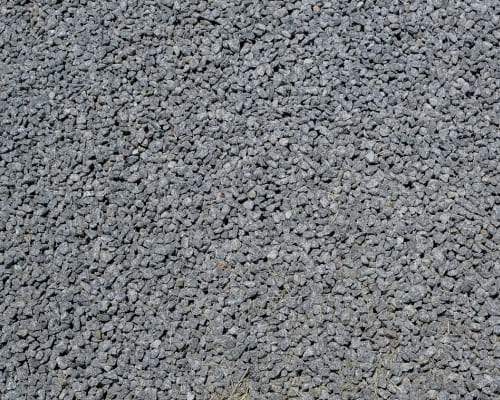
Exposed aggregate in Frankston is used almost anywhere a plain concrete slab would go, but it earns its place on surfaces that are seen every day and walked or driven on in all weathers. The exposed stone gives a textured, slip-resistant surface that hides dirt and tyre marks far better than smooth grey concrete, and it lasts as long as the slab beneath it because the decoration is the concrete itself rather than a coating on top. Driveways are the most common job and have their own section further down this page; paths, outdoor living areas and pool surrounds make up most of the rest.
Exposed aggregate paths and side access
Paths and side access runs are where exposed aggregate makes the biggest difference to how a property feels underfoot. The texture gives grip on paths that stay damp through Frankston's wet winters and on the sloping side paths common in Frankston South and Mount Eliza. A path is usually poured as a narrower, lighter slab than a driveway, but it still needs the right falls so water runs away from the house rather than against the walls, and control joints spaced so cracking happens in a straight line along the joint instead of at random. Matching a new path to an existing exposed aggregate driveway is a common request, and a sample of the existing stone helps get the blend close.
Patios, alfresco areas and pool surrounds
On patios and alfresco areas exposed aggregate gives a finished, stone-like surface that ties the house to the garden and does not show every footprint. Around pools it is popular because the texture stays grippy when wet, although a finer stone and a lighter wash are usually chosen so the surface is comfortable underfoot. Where an owner wants a smoother, more refined look around the pool, the same aggregate concrete can be ground back instead of washed, which produces honed concrete. Both finishes need sealing in a pool area to protect them from chlorine or salt water.

Peak Concreting Frankston
Laying Exposed Aggregate Concrete for Coastal Sand and Salt Air
Laying exposed aggregate concrete well around Frankston means dealing with two local conditions at once. Below the slab, the ground changes from loose coastal sand along the bay to heavier, more reactive soils inland, and each needs a different base. Above it, salt air, strong sun and onshore wind affect how fast the surface sets and how the finished stone weathers. The method below is what produces an even, well-bonded surface that holds its stones for decades rather than shedding them in a few years.
Preparing the base on sand and reactive clay
On the sandy ground through Seaford, Frankston and Carrum Downs the risk is settlement: sand drains well but has little cohesion, so it is excavated, topped with a well-graded crushed rock base and compacted in layers before any formwork goes in. Further inland in Langwarrin, Frankston South and the higher peninsula suburbs, reactive clay swells and shrinks with the seasons, so the slab is reinforced and jointed to manage that movement. In both cases the falls are set at this stage, because water left to pond on an exposed aggregate surface stains it and, on sand, washes out the base.
Seeded aggregate versus a full aggregate mix
There are two ways to put the decorative stone into the slab. A full aggregate mix arrives from the plant with the chosen stone already blended through the concrete, so the whole depth contains it and the surface reveal is very even. Seeding means placing plain concrete and then broadcasting the decorative stone across the surface and pressing it in before finishing. Seeding allows more unusual stones in smaller quantities, while a premixed decorative batch is usually the more consistent option for large driveways. The choice depends on the blend wanted, the area and the access for the truck.
Revealing the stone: timing the wash-off
The surface is revealed by washing or brushing off the top layer of cement paste once the concrete has set enough to hold the stones but not so much that the paste will not move. Too early and stones are pulled out; too late and the paste cannot be removed evenly, leaving patchy, cloudy areas. Weather sets that window. Mornington's long-term records show a mean January maximum of 25.0°C against 12.8°C in July, so a summer pour can be ready in a few hours while a winter pour can take much longer, and wind dries the edges first.
Sealing exposed aggregate and keeping it clean
Once the slab has cured, it is cleaned with a mild acid wash to remove the cement haze left on the stones, then sealed. Sealing deepens the colour of the stone, stops oil and salt from soaking into the paste between the stones and makes the surface easier to keep clean. Close to the bay, where salt spray settles on everything, sealing matters more. Most exposed aggregate needs resealing every few years; regular concrete sealing keeps the stones bright and the surface protected.
Peak Concreting Frankston
Patchy Reveals and Loose Stones: How They Are Avoided
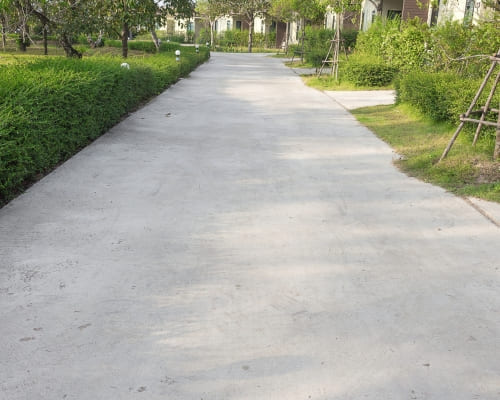
Exposed aggregate is one of the less forgiving concrete finishes, because the decoration is created in a short window on the day of the pour and cannot be fixed afterwards without breaking it out. Patchy reveals, loose stones and cloudy surfaces are almost always the result of rushed timing or a broken pour, not the product. Peak Concreting Frankston plans every exposed aggregate job around those two risks, from the order of the concrete trucks to the number of people on site for the wash-off.
One continuous pour for an even finish
Where possible, an exposed aggregate area is poured in one continuous operation, with enough concrete ordered and enough hands on site to place, finish and wash it before any section sets ahead of the rest. Splitting a driveway into separate pours on different days can leave visible differences in the reveal and colour between sections. Where a very large area has to be split, the break is planned at a joint line so the change is hidden in the design rather than appearing in the middle of the slab. The same planning applies to matching later extensions.
Loose stones, cloudy haze and uneven colour
Three defects account for most disappointing exposed aggregate. Loose stones come from washing too early, or from a reveal so deep that too little paste is left to hold each stone, so the depth of reveal is set to the stone size rather than pushed for effect. A cloudy grey haze over the stones is cement residue that was never properly removed, which the acid wash after curing clears before sealing. Uneven colour usually comes from water added to some truckloads on site, so the mix is kept consistent from the first load to the last.
Peak Concreting Frankston
What Exposed Aggregate Concrete Costs in Frankston
Exposed aggregate concrete is priced per square metre and costs more than a plain broomed slab, because it uses a decorative stone blend, needs extra labour on the day to reveal the surface, and is acid washed and sealed at the end. It usually sits below the more labour-intensive decorative finishes such as stamped or honed concrete. The exact rate for a Frankston job depends on the area, the ground, the stone chosen and the access, and a fixed written price is given once the site has been measured and the ground checked.
What moves the price per square metre
Area has the biggest effect: setup, formwork and the reveal crew are spread over more square metres on a large driveway, so the rate falls as the job grows. The ground matters next; a sandy bayside block that needs a deeper crushed rock base, or a sloping block in Mount Eliza or Frankston South that needs cut, fill or steps, adds work before any concrete is poured. Removing an old driveway adds demolition and disposal. Access matters where a concrete pump is needed to reach the back of a property because the truck cannot get close.
Where the money goes: base, stone, labour and sealing
Owners comparing quotes often focus on the stone, but it is a modest part of the total. Most of the cost sits in excavation and base preparation, the concrete itself, the reinforcement, and the labour of placing, finishing and revealing the surface within its window. The acid wash and first seal add a final day of work. A quote that looks much cheaper often leaves out base preparation, reinforcement or sealing, which is worth checking line by line before deciding.
Peak Concreting Frankston
Exposed Aggregate Versus Plain, Coloured and Honed Concrete
Most people choosing exposed aggregate are comparing it with three other finishes. Each one suits a different combination of budget, look, grip and maintenance, and the right answer depends on where the surface is and how it will be used. Around Frankston, where surfaces get salt spray, sand tracked in from the beach and plenty of winter rain, grip and how well a finish hides dirt usually weigh more heavily than they would further inland.
Against a plain broomed finish
A plain broomed slab is the most economical concrete surface and gives good grip, but it is uniform grey, shows oil and tyre marks clearly and tends to look tired after a few years. Exposed aggregate costs more up front but hides wear and staining much better, keeps a decorative look for the life of the slab and adds noticeably to the street appeal of a home. For a driveway or front path that is seen every day, most owners find the difference worth paying for. For a shed slab or a side area no one sees, plain concrete is usually the sensible choice.
Against coloured and honed concrete
Coloured concrete uses an oxide pigment through the mix to give a smooth, single-colour surface; it is cheaper than exposed aggregate but shows dirt and fading more readily and has less natural grip. Honed concrete uses the same kind of decorative aggregate, but instead of washing the paste away the surface is ground flat to show a cross-section of the stones, giving a smooth, stone-like finish suited to patios and alfresco areas. Exposed aggregate remains the more practical choice for driveways and sloping paths, where texture matters more than smoothness.
Peak Concreting Frankston
Exposed Aggregate Concrete Colours and Stone Blends
The colour of exposed aggregate concrete comes almost entirely from the stones, with the cement paste between them playing a supporting role. Choosing a blend is therefore a choice of stone type, size and colour mix, and there are dozens of combinations available from Melbourne concrete suppliers. A good starting point is to decide whether the surface should blend into the house and garden or contrast with them, then narrow the options using samples on site.
River pebble, quartz and granite blends
River pebble blends use rounded, water-worn stones in mixed natural tones of brown, grey, cream and charcoal, giving a soft, traditional look that suits older bayside homes and garden settings. Quartz-rich blends bring white and translucent stones that lighten a surface and sparkle when sealed, a popular choice on modern homes and around pools. Crushed granite and basalt blends use angular stones in greys, blacks and pinks, giving a sharper, more contemporary texture. Stone size matters as well: smaller stones give a finer, smoother surface underfoot, while larger stones give a bolder texture and more grip.
Choosing a blend to suit the house and the bay light
Light changes how a blend reads. Frankston's coastal light is bright and reflective for much of the year, so very pale blends can look washed out in full sun and darker blends can look striking. Darker surfaces also absorb more heat, which is worth considering for a pool surround or a north-facing patio used barefoot. Brick homes common in the established bayside suburbs often suit warm river pebble tones, while rendered and light-clad modern homes often suit cooler greys or quartz blends. Seeing samples against the actual walls removes most of the guesswork.
Tinted cement bases under the stone
The cement paste between the stones can be left natural grey or tinted with an oxide so it complements the stone. A charcoal base makes light stones stand out and hides dirt in the joints between them; a warm sand or brown base softens a river pebble blend. The tint is mixed through the concrete before it is poured, so it is permanent rather than a surface coating. Tinting adds a small cost per cubic metre but has a large effect on the overall colour, and it is chosen together with the stone rather than separately.
Peak Concreting Frankston
Exposed Aggregate Driveways: Grip, Crossovers and Long Driveways
Exposed aggregate driveways are the single most common use of the finish around Frankston, and they need a little more planning than a path or patio because they carry vehicles, run out to the street and often slope. The slab thickness, reinforcement and joints are designed for car loads first, and the decorative finish is applied on top of a properly engineered driveway. The broader questions of driveway design, widening and replacement are covered on the concrete driveways page; this section covers what is specific to an exposed aggregate finish.
Why exposed aggregate suits sloping driveways
Many driveways in Frankston South, Mount Eliza and Mount Martha climb or drop steeply from the street, and a smooth finish on a steep slope becomes slippery when wet or covered in leaf litter. The exposed stones give vehicles and pedestrians grip in all weather, without the deep grooves of a heavily broomed surface. A slightly coarser stone or a deeper reveal can be chosen on the steepest sections. Drainage is designed at the same time, with grated drains at the base of a steep driveway where water would otherwise run straight into the garage.
Matching the driveway to the council crossover
The section of driveway between the property boundary and the road, the vehicle crossover, belongs to the local council. Frankston City Council and the Mornington Peninsula Shire each set their own requirements for crossovers, including permits and in some cases the finish allowed, so the crossover is checked before the job is quoted. Where a decorative finish is permitted, it can be continued out to the kerb for a seamless look; where the council requires a plain finish, a neat joint line marks the boundary so the change looks intentional.
Long driveways on peninsula acreage
On larger blocks around Moorooduc, Langwarrin South and the semi-rural edges of the peninsula, driveways can run for a long distance from the gate to the house. Exposed aggregate on a long driveway is planned in sections with joint lines that suit the length, and with access for concrete trucks or a pump to the far end. Where only part of a long driveway needs a decorative finish, a common approach is to use exposed aggregate near the house and the entrance, with plain concrete in between, which keeps the look where it is seen while managing the cost.
TESTIMONIALS
What Our Exposed Aggregate Concrete Customers Say About Us
The Process
3 Step Process For Your Exposed Aggregate Concrete Needs

Free Quote
The area is measured, stone blends are compared at the property, and a fixed written price is given for base, concrete, reveal and sealing.

Preparation
The ground is excavated and compacted, formwork and mesh are set, and enough concrete and crew are booked to place and wash the whole area in one pour.

Finish and Handover
The surface is washed to reveal the stone at the right moment, joints are cut, and once cured the slab is acid cleaned and sealed.
Exposed Aggregate Concrete in Frankston
FREQUENTLY ASKED QUESTIONS
Everything you need to know about our Exposed Aggregate Concrete in Frankston
What are the disadvantages of exposed aggregate concrete?
Exposed aggregate costs more than plain concrete, needs resealing every few years to keep its colour and protect the paste between the stones, and is rougher underfoot than a smooth finish, which some people notice when barefoot. It is also unforgiving to lay: a poorly timed reveal leaves patchy areas that cannot be fixed without breaking the slab out. Laid well and sealed, its durability and grip usually outweigh those drawbacks.
Is exposed aggregate cheaper than plain concrete?
No. Exposed aggregate costs more per square metre than plain broomed concrete because of the decorative stone, the extra labour to reveal the surface and the acid wash and sealing at the end. It is generally less expensive than stamped or honed finishes. Many owners choose it because it hides wear and staining better than plain concrete over the life of the slab.
What kind of concrete do you use for exposed aggregate?
Exposed aggregate uses a standard structural concrete with a decorative stone either blended through the mix at the plant or seeded into the surface before finishing. The concrete strength, slab thickness and reinforcement are chosen for the use, so a driveway is built to carry vehicles, while the stone blend and any cement tint are chosen for appearance.
How much does exposed aggregate concrete cost per square metre?
The rate depends on the area, the ground, the stone blend, any old concrete to remove and the access for trucks or a pump. Larger areas usually cost less per square metre because setup is spread further, while sloping or sandy blocks that need more base preparation cost more. A fixed price is given after the site has been measured and inspected.
How do I keep my exposed aggregate looking good?
Sweep it regularly, rinse off salt and sand if the property is close to the bay, clean oil spills quickly and reseal the surface every few years or when water stops beading on it. Avoid harsh acids for routine cleaning, as they can etch the cement paste between the stones. A fresh seal brings back much of the depth of colour.
Can you lay exposed aggregate around a pool?
Yes. Exposed aggregate is a popular pool surround because it stays grippy when wet. A finer stone and a lighter reveal are usually chosen so it is comfortable underfoot, and the surface is sealed to protect it from chlorine or salt water. Pool barrier and safety requirements still apply to the fencing around the area.
Request A Free Exposed Aggregate Concrete Quote
BUSINESS
SERVICES
OPERATING HOURS
Sun: 7:00am - 9:00pm
Mon: 7:00am - 9:00pm
Tue: 7:00am - 9:00pm
Wed: 7:00am - 9:00pm
Thu: 7:00am - 9:00pm
Fri: 7:00am - 9:00pm
Sat: 7:00am - 9:00pm