Concrete Sealing Frankston, Protection Against Salt and Stains
What Concrete Sealing Does
Concreting across Frankston, the bayside suburbs and the northern Mornington Peninsula, with a fixed written quote on every job.
Concrete sealing is the application of a protective liquid coating to cured concrete, either soaking into the surface or forming a thin film on top, to stop water, oil, salt and dirt being absorbed and to protect colour from fading in the sun. A sealed surface is easier to clean, resists stains and, on decorative finishes, shows a richer colour. Peak Concreting Frankston seals and reseals driveways, paths, exposed aggregate, coloured and stamped concrete, pool surrounds and garage floors across Frankston and the Mornington Peninsula. Near the bay, where salt spray, strong sun and long wet winters all work on outdoor concrete, a well-chosen sealer applied to a properly prepared surface adds years to the life and the look of the concrete.
GET A FREE QUOTE
Peak Concreting Frankston
Concrete Sealing Frankston and the Mornington Peninsula: Driveways, Pools and Decorative Concrete
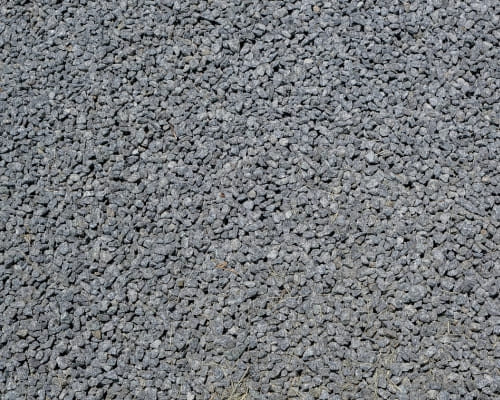
Concrete sealing in Frankston and across the Mornington Peninsula covers almost every outdoor slab, plus garage and some interior floors. The sealer chosen and the finish wanted vary with how the surface is used: a driveway needs resistance to oil and hot tyres, a pool surround needs grip and chlorine resistance, and decorative concrete needs its colour brought out and protected. Matching the sealer to the surface is the first decision on every job.
Driveway sealing
Driveways are the most commonly sealed concrete around Frankston, because they carry oil drips, tyre marks, leaf stains and rust from garden watering, all of which soak into bare concrete. Sealing closes the surface so spills can be cleaned up before they stain, and it slows the weathering that turns a driveway patchy grey. Sealers for driveways need to handle vehicle traffic and hot tyres, so a harder-wearing product is used, and the crossover is usually sealed to match. A sealed driveway is also far easier to pressure-clean.
Sealing exposed aggregate, coloured and stamped concrete
Decorative concrete benefits most from sealing. On exposed aggregate, a sealer deepens the colour of the stones and protects the cement paste between them. On coloured and stamped concrete, it locks in the colour, reduces fading from UV and protects the surface pattern. These finishes are normally sealed soon after they are laid and then resealed periodically, and the sealer chosen controls whether the result looks natural or has a wet-look sheen.
Pool surrounds, patios and garage floors
Pool surrounds need a sealer that resists chlorine or salt water and keeps its grip when wet, so an anti-slip additive is used. Patios and alfresco areas are sealed against food and drink spills, barbecue fat and leaf stains, often with a matte finish that keeps a natural look. Garage floors need resistance to oil, fuel and hot tyre pick-up, where a softer sealer lifts as tyres cool. Each of these surfaces is sealed with a different product, rather than one sealer for the whole property.
Peak Concreting Frankston
Penetrating, Topical and Colour Sealers Compared
Concrete sealers fall into two broad families: penetrating sealers that soak into the concrete and react inside it, and topical sealers that form a film on the surface. Within those families, the resin type, whether the sealer is tinted, and whether it is solvent-based or water-based all change how it looks, how long it lasts and where it suits. Choosing the right one matters more than any other step, because the wrong sealer on the right surface still fails.
Penetrating sealers
Penetrating sealers, usually silane or siloxane based, soak into the pores of the concrete and react to make the surface water-repellent without forming a visible film. They leave a natural, matte look with little change in colour, are not slippery, do not peel and resist salt and water ingress well, which makes them a strong choice for plain driveways, paths and coastal areas. They do not deepen colour or give a sheen, and they offer less protection against oil stains than a good topical sealer.
Acrylic and polyurethane topical sealers
Topical sealers sit on the surface as a thin protective film. Acrylic sealers are the most common for outdoor decorative concrete: they enhance colour, give anything from a matte to a wet-look finish and are easy to reapply, but they wear in traffic areas and need resealing more often. Polyurethane and other hard-wearing sealers are tougher and more resistant to chemicals and abrasion, so they suit garage floors and high-traffic areas, at a higher cost.
Tinted colour sealers
Tinted or colour sealers contain pigment, so they add colour to the surface as well as protecting it. They are used to refresh faded coloured concrete, to even out patchy or repaired areas, and to give a plain driveway a uniform colour without resurfacing. Because the colour sits in the sealer rather than the concrete, it wears with the sealer and needs renewing as the film wears. A colour sealer is one of the cheapest ways to transform the look of tired concrete that is still sound.
Solvent-based versus water-based sealers
Solvent-based sealers generally penetrate further, give a deeper colour enhancement and a more durable film, and handle cooler or damper conditions better, but they have a strong odour and need good ventilation. Water-based sealers have low odour, are easier to clean up and suit enclosed or indoor areas, though some give a lighter enhancement and may need more frequent recoating. The choice depends on the surface, the look wanted and where the sealer is being applied.
Peak Concreting Frankston
How Concrete Is Sealed: Cleaning, Stripping, Application and Curing
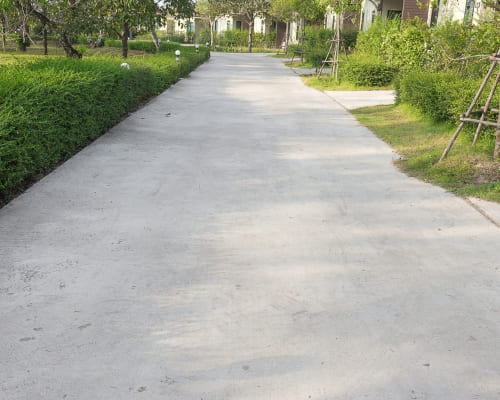
A sealer is only as good as the surface it goes onto. Most sealer failures, from peeling and patchiness to a white haze, come from sealing a dirty, damp or previously sealed surface without proper preparation, or applying the product too thickly. The process below is followed on every job, so the sealer bonds properly and wears evenly rather than lifting in patches within the first year, and the steps are listed in the written quote.
Cleaning and stripping old sealer
The surface is pressure-cleaned to remove dirt, moss, mould and loose material, and oil and grease stains are degreased so the sealer can bond. Where an old topical sealer is worn, peeling or discoloured, it is stripped with a chemical stripper or ground off before a new coat goes on, because fresh sealer over failing sealer fails with it. The concrete is then left to dry thoroughly, as moisture trapped under a topical sealer is the main cause of white haze.
Rollers, sprayers and the number of coats
Sealer is applied with a roller, a low-pressure sprayer, or both, in thin, even coats rather than one heavy coat. Thin coats dry and cure properly and avoid puddling, bubbles and the cloudy finish that thick sealer produces. Most surfaces receive two coats, the second applied once the first has dried to the manufacturer's recoat time. Sealing is timed for dry, mild conditions, avoiding hot afternoons when the sealer dries too fast and cold, damp evenings when it cannot cure.
Anti-slip additives
Any sealer that forms a film, particularly a gloss finish, can make concrete more slippery when wet. On driveways, paths, pool surrounds and steps, a fine anti-slip grit is mixed into the final coat to restore grip without changing the look much. Slip resistance is especially important on sloping driveways around Frankston South and Mount Eliza and on pool decks, where a glossy sealer without additive can become hazardous after rain.
Peak Concreting Frankston
What Concrete Sealing Costs in Frankston
Concrete sealing is one of the most affordable ways to protect and refresh outdoor concrete, and it is usually priced per square metre. The rate depends far more on the condition of the surface and the preparation needed than on the sealer itself. A clean, previously unsealed driveway is the simplest job; a surface with a peeling old sealer that must be stripped first takes considerably longer. A fixed price is given after the surface has been inspected.
How sealing is priced per square metre
The square-metre rate covers cleaning, any degreasing, two coats of sealer and anti-slip additive where needed. Larger areas cost less per square metre, because setup and cleaning equipment are spread over more surface, and there is usually a minimum charge for small jobs. Premium sealers, such as hard-wearing polyurethanes for garage floors or tinted colour sealers, cost more than a standard acrylic or penetrating sealer. Steps, edges and detailed areas take more time than open slabs. As a rough ordering, a penetrating sealer on plain concrete is usually the cheapest, a standard acrylic on decorative concrete sits in the middle, and tinted or polyurethane systems cost the most.
Why preparation is part of the price
Preparation is often the larger part of a sealing job. Stripping a failed acrylic sealer, grinding off old coatings, degreasing oil-soaked concrete and repairing cracks before sealing all take time, and they decide how long the new sealer lasts. A quote that is much cheaper than others often leaves out stripping or degreasing and seals over the problem, which produces a patchy result that fails early. Around Frankston two local factors add to preparation: salt residue on concrete close to the bay has to be washed off thoroughly before sealing, and steep driveways in Frankston South and Mount Eliza take longer to clean and coat evenly. Asking each contractor how the surface will be prepared is the best way to compare prices.
Peak Concreting Frankston
Sealing Versus Painting Versus Resurfacing a Driveway
Owners with a tired driveway usually weigh three options: sealing it, painting it or resurfacing it. Each suits a different condition and budget, and each lasts a different length of time. The right choice depends on whether the concrete is sound, how worn and stained it is, and whether the aim is protection, a colour change or a completely new surface. Sealing is the lightest-touch and cheapest option, and it is where most assessments start.
Driveway painting and paint-on coatings
Driveway painting uses a pigmented paving paint or coating applied over the concrete to give it a solid new colour. It is cheap and quick and can transform a stained, patchy driveway, but paint sits entirely on the surface, so it wears in tyre tracks, can peel if the concrete is damp underneath or was not properly prepared, and needs recoating regularly. A tinted colour sealer is often a better choice than paint, because it gives colour while still letting the texture of the concrete show and wears more gracefully. Either way, cleaning and priming decide how long it lasts.
When a driveway needs resurfacing instead
Sealing and painting protect and colour the surface but do not hide cracks, scaling, pitting or a broken-down finish. When the concrete is still structurally sound but the surface itself has deteriorated, concrete resurfacing applies a new cement-based overlay that rebuilds the top, and it is then sealed. If the driveway has sunk, cracked through or broken into pieces, neither sealing nor resurfacing will help, and repairs or a new concrete driveway are the answer.
Peak Concreting Frankston
Salt Air, Sun and How Often Concrete Needs Resealing
No sealer lasts forever. Sun, rain, foot and vehicle traffic and, close to the bay, salt all wear sealers down, and the rate depends on the product, the surface and its exposure. Knowing when to seal new concrete and when an existing surface is due for resealing keeps the concrete protected without wasting money resealing too often or leaving it bare for too long. A quick check each spring, after the wet months, catches most surfaces before they stain.
Salt, UV and wear near the bay
Properties close to Port Phillip Bay, from Seaford through Frankston to Mornington, get salt spray carried on the sea breeze, which settles on outdoor concrete and is carried into unsealed surfaces by rain. Salt can attack the cement paste and, over time, the reinforcement inside, so sealing is more important near the coast than inland. Strong summer sun breaks down topical sealers and fades colour, so north-facing and unshaded areas wear faster. Driveway tyre tracks and pool surrounds wear fastest of all.
When new concrete can be sealed
New concrete has to cure and dry before most sealers are applied, because moisture leaving the slab can lift a topical sealer or cause a white haze. Many sealers are applied after the concrete has cured for around four weeks, while some curing-and-sealing products are designed to go on soon after finishing. Decorative finishes such as exposed aggregate are acid-washed to remove cement haze before their first seal. The product's instructions and the weather decide the exact timing.
Signs a surface is due for resealing
The simplest test is water: on a well-sealed surface, water beads up; when it soaks in and darkens the concrete, the sealer is wearing out. Fading colour, a dull or patchy look, stains that no longer wipe off and wear in tyre tracks or walkways are the other signs. As a general guide, topical acrylic sealers outdoors are renewed every few years, and penetrating sealers last longer, but exposure near the bay and heavy traffic shorten those intervals.
Peak Concreting Frankston
Fixing Failed Sealers: Peeling, White Haze and Slippery Surfaces
Many sealing jobs around Frankston are not first seals but repairs to a sealer that has failed. The three most common problems, peeling, white haze and a surface that has become slippery, each have a clear cause and a clear fix. In most cases the old sealer has to be stripped or treated before the surface can be resealed properly, which is why a failed sealer costs more to fix than a correct first seal.
Peeling and flaking sealer
Sealer peels when it was applied over dirt, an old incompatible coating or damp concrete, or when it was applied too thickly to bond properly. Hot tyres can also lift softer sealers on driveways. Peeling cannot be fixed by sealing over the top, because the new coat bonds only to the failing one. The loose sealer is stripped or ground off, the surface is cleaned and dried, and a suitable sealer is applied in thin coats, with a harder-wearing product on driveway tyre tracks.
White haze and blushing
A milky white haze in a sealed surface, called blushing, usually means moisture was trapped under or in the sealer: it was applied to damp concrete, rain fell before it cured, or it was applied too thickly in humid conditions. It is common after a wet winter on surfaces sealed too soon after rain. Mild blushing can sometimes be cleared by re-dissolving the sealer with a solvent so the moisture escapes; severe cases need the sealer stripped and reapplied once the concrete is fully dry.
Sealed surfaces that are too slippery
A glossy topical sealer without an anti-slip additive can make a driveway, path or pool surround dangerously slippery when wet. The fix is to apply a final coat with anti-slip grit mixed in, or, if the sealer is thick and very glossy, to strip it and reseal with a lower-sheen product and additive. On steep driveways and pool decks, a penetrating sealer that leaves the natural texture of the concrete is often the safest choice.
TESTIMONIALS
What Our Concrete Sealing Customers Say About Us
The Process
3 Step Process For Your Concrete Sealing Needs

Free Quote
The surface is inspected, any old or failed sealer is identified, the right sealer is chosen, and a fixed written price is given per square metre.

Preparation
The concrete is pressure-cleaned and degreased, failing sealer is stripped, and the surface is left to dry fully before any sealer is applied.

Finish and Handover
Two thin, even coats of sealer are applied in mild weather, with anti-slip grit where needed, and the surface is left to cure before use.
Concrete Sealing in Frankston
FREQUENTLY ASKED QUESTIONS
Everything you need to know about our Concrete Sealing in Frankston
Is sealing concrete a good idea?
For most outdoor concrete around Frankston, yes. Sealing reduces staining from oil and leaves, slows weathering and fading, makes cleaning easier and protects against salt near the bay. It is especially worthwhile on decorative concrete, driveways and pool surrounds. Plain concrete in a low-use area can be left unsealed, but it will stain and weather faster.
Can sealed concrete be pressure-washed?
Yes, with care. A sealed surface cleans far more easily than bare concrete, so a moderate pressure and a wide fan nozzle held back from the surface are usually enough. A narrow, high-pressure jet held close can strip a topical sealer or etch the concrete. After pressure-washing, checking that water still beads shows whether the sealer is intact.
What is the best method to seal concrete?
Clean and degrease the surface thoroughly, strip any failing old sealer, let the concrete dry completely and then apply the right sealer in two thin, even coats with a roller or sprayer, adding anti-slip grit to the final coat on driveways, paths and pool areas. Application in mild, dry weather gives the best cure.
Can I apply concrete sealer myself?
Small areas can be sealed by a careful owner, but most failed sealers come from poor preparation, damp surfaces, the wrong product or coats that are too thick. Stripping a failed DIY sealer costs more than sealing correctly in the first place. For driveways, decorative concrete and pool surrounds, professional preparation and product choice usually pay for themselves.
How often should concrete be resealed?
Topical acrylic sealers outdoors are typically renewed every few years, and penetrating sealers last longer. Surfaces close to the bay, in full sun or carrying vehicle traffic wear faster. When water stops beading and soaks into the surface, or the colour looks dull and patchy, it is time to reseal.
Will sealing bring back the colour in my exposed aggregate or coloured concrete?
Yes, in most cases. A colour-enhancing sealer deepens the colour of exposed aggregate stones and refreshes coloured concrete, and a tinted sealer can restore colour that has faded. The surface is cleaned and any old sealer removed first, so the new sealer gives an even result.
Request A Free Concrete Sealing Quote
BUSINESS
SERVICES
OPERATING HOURS
Sun: 7:00am - 9:00pm
Mon: 7:00am - 9:00pm
Tue: 7:00am - 9:00pm
Wed: 7:00am - 9:00pm
Thu: 7:00am - 9:00pm
Fri: 7:00am - 9:00pm
Sat: 7:00am - 9:00pm