Polished Concrete Floors Frankston, Ground From the Slab Up
What Polished Concrete Is
Concreting across Frankston, the bayside suburbs and the northern Mornington Peninsula, with a fixed written quote on every job.
A polished concrete floor is the structural slab itself, ground flat with diamond tooling, hardened with a chemical densifier and then polished through progressively finer grits until it reaches the sheen the owner wants. There is no tile, timber or coating laid on top, so the finished floor is as durable as the concrete underneath and has no grout lines, glue or boards to fail. Peak Concreting Frankston grinds and polishes concrete floors in homes, extensions, garages and small commercial spaces across Frankston, Seaford, Langwarrin, Mount Eliza and Mornington, on both new slabs and existing floors uncovered during a renovation. The quality of a polished floor is decided as much by how the slab was poured and protected as by the polishing itself, so both are planned from the start.
GET A FREE QUOTE
Peak Concreting Frankston
Polished Concrete Floors Frankston: Living Areas, Kitchens and Garages
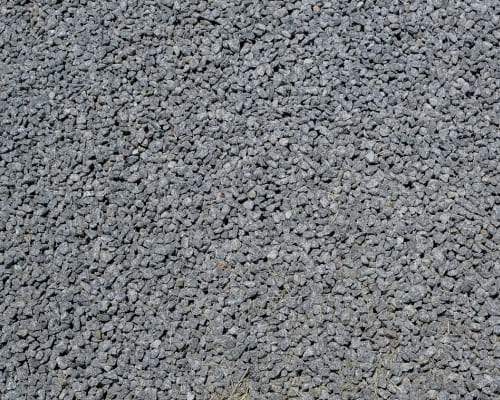
Polished concrete floors in Frankston are most often laid through the main living areas of a new home or extension, where one continuous surface runs from the entry through the kitchen and out towards the alfresco doors. They are also common in garages, home workshops and small shops and studios. The appeal is the same everywhere: a hard, easy-clean floor with a modern, natural look that will not scratch the way timber can or crack along grout lines the way tiles do.
Open-plan living areas and kitchens
In open-plan homes a polished slab gives a single, seamless floor across rooms that would otherwise need transitions between tiles, timber and carpet. Kitchens benefit most, because spills wipe straight off a sealed polished surface and there are no grout lines to stain. Rugs and furniture soften the look and add warmth. On new builds the floor is ground after the frame and roof are on, so it is protected from the weather, and before the kitchen and internal walls go in, so the grinder can reach every part of the slab.
Garages, workshops and commercial floors
Garages and workshops take hot tyres, dropped tools, oil and heavy traffic, and a densified polished slab handles that wear well without a coating to peel. A lower-gloss finish is usually chosen for garages so it stays practical rather than showroom-shiny. Small shops, studios and offices use polished concrete for the same reasons and for its clean commercial look. Where chemical resistance matters more than appearance, an epoxy coating may be the better option, which is covered further down this page.
Polishing an existing slab during a renovation
Many polished floors around the established bayside suburbs start as an existing slab found under old carpet, vinyl or tiles. Polishing an existing floor is often possible, but the result depends on what is in that slab: the aggregate it was made with, how flat it was finished, and any cracks, patches or old services cut into it. A test grind on a small area shows what the surface will look like before the whole floor is committed, and it is the most reliable way to set expectations for an older Frankston home.
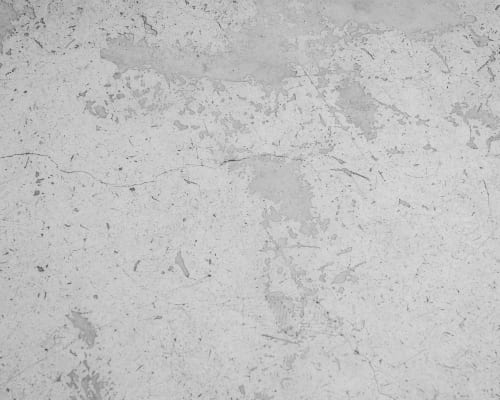
Peak Concreting Frankston
How Concrete Polishing Is Done: Grinding, Densifying and Polishing
Concrete polishing is a staged mechanical process, and each stage has a specific job. The floor is first ground to the chosen level, then holes are filled and the surface hardened, then it is refined through finer and finer pads until it reaches the target sheen. Skipping steps saves time on the day and shows up for years afterwards as scratches, dull patches or a soft surface, so the sequence is followed in full on every floor.
Grinding with metal-bonded diamonds
The first passes use a heavy planetary grinder fitted with metal-bonded diamond segments. These cut away the top layer of cement paste and any surface contamination and, depending on how far the grind goes, expose the sand and stones in the slab. The grinder works in overlapping passes so the depth is even, with an industrial vacuum capturing the dust as it is cut. Edges, corners and around door frames are ground with smaller hand-held machines so they match the open floor.
Grouting, densifier and resin polishing pads
Grinding opens up small air holes in the surface, which are filled with a cement-based grout mixed with the floor's own dust so the colour matches. A liquid densifier is then applied; it reacts with the concrete to harden and tighten the surface, which is what allows it to take a polish and resist wear. The floor is then refined with resin-bonded diamond pads in a sequence of finer grits. Each grit removes the scratches of the one before, and the final grit chosen sets whether the floor finishes matte, satin or glossy.
Mechanically polished versus grind and seal
Two different products are both sold as polished concrete. A mechanically polished floor reaches its sheen through the grinding and densifier alone, with only a thin penetrating guard on top, so the shine is part of the concrete. A grind and seal floor is ground to expose the stone and then coated with a topical sealer that provides the gloss. Grind and seal usually costs less but its coating wears in traffic areas and needs recoating. Asking which system a quote describes is the most important question when comparing prices.
Peak Concreting Frankston
Avoiding Cloudy Patches, Cracks and Swirl Marks in a Polished Floor
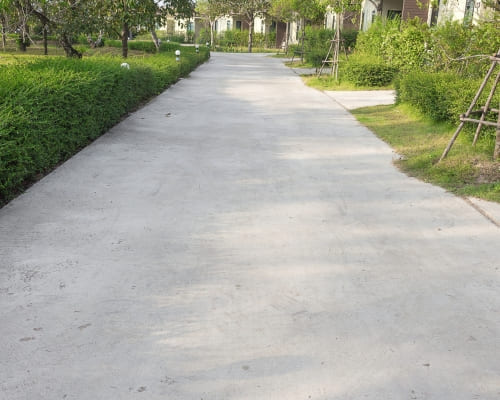
The defects people notice most in polished concrete are cloudy or dull patches, uneven stone exposure, swirl marks and cracks running across the floor. Almost all of them start long before the polishing crew arrives: in how the slab was mixed and finished, where its joints were placed and how it was treated by other trades during the build. Getting those steps right is what makes a polished floor look the way the samples did.
New slabs poured to be polished
When a slab is going to be polished, it is poured with that end in mind. A consistent concrete mix from the first truck to the last keeps the colour even across the floor; a flatter screeded and trowelled finish keeps the stone exposure uniform once it is ground; and if a particular aggregate is wanted on show, it is specified in the mix. New concrete slabs for extensions and garages are planned this way from the footings up. A slab poured as a standard house slab can still be polished, but the result will be less predictable.
Swirl marks and cloudy, dull patches
Swirl marks are the curved scratches left when a grit step is skipped or rushed, so the next, finer pad cannot remove the deeper scratches of the coarser one. They are avoided by running every grit until the previous marks are gone and checking the floor under a low-angle light between passes. Cloudy or dull patches usually mean the densifier was unevenly applied or the floor was polished before it had fully reacted, leaving softer areas that will not hold a shine. Applying densifier evenly and allowing it time to cure before the final grits keeps the sheen consistent.
Cracks, control joints and slab movement
All concrete shrinks as it cures, and slabs on the reactive clays found inland around Langwarrin and Frankston South also move seasonally. That movement is managed with control joints, which are sawn so the slab cracks in a straight line where it is planned rather than randomly across the floor. On a polished floor the joint layout is part of the design, set out to line up with walls and openings. Existing cracks can be filled to blend in, and structural concrete repairs are done before any grinding starts, but they remain visible and are part of the character of an older slab.
Protecting the slab through the build
A slab intended for polishing has to be protected from the moment it is poured. Plumbers' and electricians' marks, paint, plaster, oil from machinery and rust from steel left lying on the surface can all soak in and become permanent stains that grinding cannot fully remove. Covering the slab with protective sheeting through the build, and keeping it clear of materials stored on it, saves a lot of disappointment. Where the floor is polished early in a build, it is re-covered until the trades have finished.
Peak Concreting Frankston
What Polished Concrete Costs in Frankston
Polished concrete is priced per square metre, and it is generally competitive with good-quality tiles or engineered timber once the cost of a separate floor covering and its installation is taken into account, because the slab is already there. The price for a Frankston job depends on the area, the level of stone exposure, the gloss level, whether the floor is new or existing and how much edge and detail work is involved. A fixed price is given after the slab has been inspected and, on an existing floor, a test grind.
What moves the polished concrete price per square metre
Area is the biggest factor, because setup and the slow edge work around walls are spread over more square metres on a large open floor, so the rate falls as the area grows. A full stone exposure takes longer to grind than a light cream finish. A high-gloss mechanically polished finish needs more grit stages than a matte one. Tight rooms, hallways and lots of corners take more hand-machine time than an open-plan space, and stairs and steps are priced separately.
Old coatings, glue and repairs on existing floors
Existing floors often cost more per square metre than new slabs because of what has to come off first. Carpet underlay glue, vinyl adhesive, tile bedding and old paint all have to be ground away before the real polishing starts, and they clog tooling quickly. Cracks, holes from old plumbing and patched areas need filling, and they may show in the finish. The test grind is used to estimate how much preparation a particular floor needs, which keeps the quote realistic.
Peak Concreting Frankston
Polished Concrete Versus Tiles, Timber and Epoxy
Polished concrete is usually being compared with tiles, timber and epoxy coatings. Each is a good floor in the right place; the differences come down to durability, maintenance, comfort, appearance and cost over the life of the floor. In homes near the bay, where sand is tracked in constantly, how a floor copes with grit and how easy it is to keep clean often matter as much as the initial price.
Polished concrete versus tiles and timber
Tiles are hard-wearing but rely on grout lines, which stain, and on adhesive, which can let go if the slab moves, leaving drummy or cracked tiles. Timber is warm and attractive but scratches and dents, particularly with sand underfoot, and needs periodic sanding and recoating. A polished slab has neither grout nor adhesive and resists scratching well. In exchange it is harder and cooler underfoot than timber, which rugs and underfloor heating can offset. Over time, polished concrete generally needs less upkeep than either.
Polished concrete versus epoxy floor coatings
An epoxy floor is a resin coating applied over the concrete, usually in a solid colour or with decorative flakes. It gives excellent chemical and stain resistance, which makes it a strong choice for workshops, commercial kitchens and garages where fuel and chemicals are spilled. Because it is a coating, though, it can scratch, wear through in traffic paths and peel if moisture rises through the slab. Polished concrete has no coating to fail and shows the natural stone, so it is usually preferred in homes, while epoxy suits heavy-duty garages.
Peak Concreting Frankston
Choosing the Look: Gloss Levels and Stone Exposure
The look of a polished floor is set by two separate choices: how shiny it is, and how much of the stone inside the slab shows. They can be combined freely, so a floor can be matte with full stone exposure or glossy with almost none. Samples of each combination are compared before work starts, because both choices are made by how much concrete is removed and cannot be reversed once the floor has been ground.
Matte, satin and high gloss
Gloss is controlled by the final grit the floor is polished to. A matte finish is soft and low-glare, hides fine scratches and dust well and suits relaxed living spaces and garages. A satin finish has a gentle sheen that reflects some light without looking wet, and it is the most popular choice in homes. A high-gloss finish reflects light strongly and looks striking in entries and commercial spaces, but it shows dust and marks more readily and can feel more slippery. Bright coastal light through large windows makes a high gloss look even shinier.
Cream, salt and pepper and full aggregate exposure
Stone exposure is controlled by how deep the first grind goes. A cream finish only removes the very top of the surface, leaving a smooth, cement-coloured floor with little or no stone visible. A salt and pepper finish grinds slightly deeper to show the fine sand and small specks of aggregate, giving a subtle speckled texture. A full exposure grinds deeper again to reveal the larger stones across the whole floor, for a terrazzo-like look. Deeper exposure costs more and depends on the stone in the slab being attractive.
Peak Concreting Frankston
Living With Polished Concrete: Grip, Warmth and Maintenance
A polished concrete floor is easy to live with, but it behaves differently from carpet, timber or tiles, and a few practical points are worth knowing before choosing it. Most come down to three questions people ask about any hard floor: whether it is slippery, whether it will feel cold, and how much looking after it needs. Each has a straightforward answer, and each can be managed with the right choices at the design stage.
Slip resistance in kitchens, bathrooms and entries
A dry polished concrete floor offers reasonable grip, but any smooth hard floor becomes more slippery when wet. In kitchens, laundries, bathrooms and entries where water is likely, a lower gloss level and an anti-slip treatment or guard improve wet grip. Slip resistance of pedestrian surfaces in Australia is classified under AS 4586, and the right rating depends on the room. Outdoors, a polished finish is not recommended at all; honed concrete with an anti-slip sealer is the outdoor equivalent.
Underfloor heating and cold winter floors
Concrete feels cool underfoot, which is welcome in summer and noticeable in a Frankston winter, when mean maximum temperatures in nearby Mornington drop to around 13°C. A slab holds heat well, though, which makes polished concrete one of the best floors to pair with hydronic or electric underfloor heating, installed in the slab before it is poured. In a home with north-facing windows the slab also absorbs winter sun during the day and releases warmth into the evening. Rugs in living areas add comfort where heating is not installed.
Cleaning and resealing a polished floor
Day to day, a polished floor only needs sweeping or dust-mopping to remove grit, which acts like sandpaper underfoot, and damp mopping with a pH-neutral cleaner. Acidic or harsh cleaners, including vinegar and some bathroom products, can etch the surface and should be avoided. Mats at external doors catch sand before it is tracked across the floor, which matters in homes close to the beach. Every few years, depending on traffic, the protective guard is refreshed or the floor is lightly re-polished to restore its sheen.
TESTIMONIALS
What Our Polished Concrete Customers Say About Us
The Process
3 Step Process For Your Polished Concrete Needs

Free Quote
The slab is inspected, a test grind shows the stone and colour on existing floors, and a fixed written price is given for the chosen gloss.

Preparation
Old coatings and glue are ground off, the floor is ground to the chosen exposure, holes are grouted and the densifier is applied.

Finish and Handover
The floor is polished through the grit sequence to matte, satin or gloss, a protective guard is applied and the floor is handed back clean.
Polished Concrete in Frankston
FREQUENTLY ASKED QUESTIONS
Everything you need to know about our Polished Concrete in Frankston
Is polished concrete cheaper than tiling?
Polished concrete is often comparable to or cheaper than good-quality tiles once the cost of the tiles, adhesive, grout and laying is added up, because the slab is already in place. It depends on the area, the gloss and stone exposure chosen, and whether the floor is new or an existing slab that needs preparation.
What are the disadvantages of polished concrete?
Polished concrete is hard and cool underfoot, can be slippery when wet at high gloss levels, shows existing cracks and patches in older slabs, and its look depends on the stone already in the slab. Rugs, underfloor heating, a lower gloss and anti-slip treatments in wet areas address most of these. Cracks can be filled but remain part of the floor's character.
Is it expensive to have a polished concrete floor?
The cost depends on the area, stone exposure, gloss level and the condition of the slab. Large open floors cost less per square metre than small rooms with lots of edges, and existing floors with old glue or coatings cost more to prepare. A test grind and site inspection give a fixed price.
Can you polish my existing concrete floor?
Often, yes. Once carpet, vinyl or tiles have been removed, the old adhesive and coatings are ground off and the slab is assessed. A small test grind shows how the stone and colour will look and reveals any cracks or patches that will remain visible. Some slabs are better suited to a grind and seal or another floor covering.
How long does it take to polish a concrete floor?
A typical house floor takes a few days of grinding, grouting, densifying and polishing, depending on the area, the stone exposure and the gloss level. Existing floors with glue or coatings to remove take longer. The floor can usually be walked on soon after the final pass, with furniture moved back once any guard has cured.
Can polished concrete be used outdoors or on a driveway?
Polished concrete is not recommended outdoors or on driveways, because a smooth polished surface becomes slippery when wet and the gloss is dulled by weather and grit. Honed concrete with an anti-slip sealer gives a similar smooth stone look outdoors, while exposed aggregate suits driveways.
Request A Free Polished Concrete Quote
BUSINESS
SERVICES
OPERATING HOURS
Sun: 7:00am - 9:00pm
Mon: 7:00am - 9:00pm
Tue: 7:00am - 9:00pm
Wed: 7:00am - 9:00pm
Thu: 7:00am - 9:00pm
Fri: 7:00am - 9:00pm
Sat: 7:00am - 9:00pm