Concrete Resurfacing Frankston, Without the Re-Pour
What Concrete Resurfacing Is
Concreting across Frankston, the bayside suburbs and the northern Mornington Peninsula, with a fixed written quote on every job.
Concrete resurfacing renews the surface of a slab that is still structurally sound but looks tired, stained, faded or dated. A thin, polymer-modified cement overlay is bonded to the old concrete and finished as a plain trowelled coat, a spray-on texture or a stencilled pattern, so a driveway, path or patio looks new without the demolition, spoil removal and fresh reinforced pour that a full replacement involves. Peak Concreting Frankston resurfaces driveways, paths, patios, pool surrounds and garage floors from the bayside suburbs of Frankston and Seaford through to Langwarrin and the Mornington Peninsula. Every job starts with an on-site assessment of the slab, because an overlay renews the surface, not the structure, and the most useful thing a resurfacing contractor can do is say honestly when a slab is not a candidate.
GET A FREE QUOTE
Peak Concreting Frankston
Concrete Resurfacing Frankston: Spray-On, Stencil and Bonded Overlays
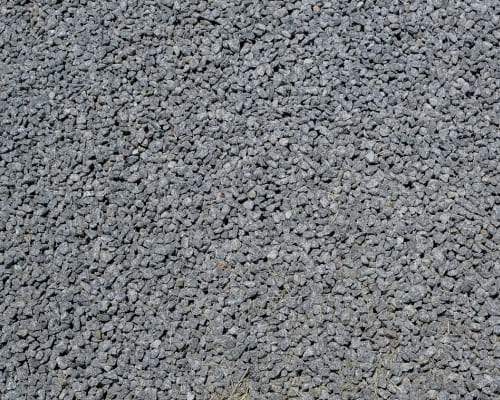
Concrete resurfacing in Frankston covers three distinct overlay systems, and the right one depends on how the surface is used, what finish the owner wants and how much texture the area can carry. All three bond to existing concrete rather than sitting loosely on top of it, which is the difference between a resurface that lasts and a coating that peels. The choice is usually made on site with samples in hand, because colour and texture read very differently in Frankston's bright coastal light than they do in a brochure.
Spray-on concrete resurfacing
Spray-on resurfacing is the most common choice for driveways and paths. After the slab has been cleaned and primed, a cement-based overlay is sprayed on in a thin layer and textured, giving a slightly grippy, even finish that hides the patchy grey, rust marks and old repairs of an ageing slab. It suits large areas because it goes down quickly and evenly, and the texture helps traction on a sloping driveway in wet weather. Colour is built in through a tinted base coat or a coloured topcoat, and the whole surface is sealed once it has cured.
Stencilled patterns and borders
A stencilled finish lays a paper stencil over the base coat before the textured topcoat is sprayed. When the stencil is lifted it leaves a grout-line pattern such as brick, ashlar slate, cobblestone or tile, with the base colour showing in the joints. Stencilling is the usual way to add a contrasting border around a plain driveway or to make a tired patio read like paving, without the trip edges and weed growth that real pavers bring. Because the pattern is only a few millimetres deep it does not create the deep ridges that collect sand and leaf litter near the bay.
Bonded cement overlays and skim coats
A bonded overlay, sometimes called a concrete overlay or skim coat, is a trowelled polymer-cement layer applied over the whole surface to rebuild a worn, pitted or scaled top. It is the right system where the old finish has broken down, for example where years of salt spray and sun have exposed the sand in the paste, and a spray texture alone would only telegraph the damage. Skim coats can be finished smooth for an alfresco area or broomed for grip outdoors. Where a deeper, imprinted look is wanted, a full stamped concrete pour is usually the better product than trying to stamp a thin overlay.
Peak Concreting Frankston
Preparing Old Concrete for an Overlay on Frankston's Sand and Salt Air
Almost every resurfacing failure traces back to preparation rather than to the overlay product. A cement overlay will only bond to a clean, open, sound surface, and old concrete around Frankston carries two local problems that have to be dealt with first: salt and grime carried in on the sea breeze, and the movement cracks that appear where slabs were poured on loose bayside sand that was never properly compacted. Preparation is therefore the bulk of the work on most resurfacing jobs, and it is where a cheap quote usually cuts corners.
Grinding, cleaning and priming the old slab
The surface is first pressure-cleaned to lift dirt, moss, efflorescence and loose material, then degreased wherever oil has soaked in. Any old sealer or paint is ground or stripped off, because an overlay bonded to a failing coating will lift with it. The slab is then mechanically profiled with a grinder so the surface is slightly open, which gives the overlay a key to grip. Finally a bonding primer is applied to the prepared concrete. Skipping or shortening any of these steps is the single most common reason an overlay delaminates within a year or two.
Repairing cracks and spalling before the overlay
An overlay does not bridge an active crack; a crack that is still moving will simply reappear through the new surface. Hairline shrinkage cracks are opened up and filled with a flexible repair compound, while spalled or scaled patches, where the top layer has broken away, are rebuilt to level with a repair mortar before the overlay goes down. Where a crack is structural, or a section of slab has sunk on the sand underneath, that section needs proper concrete repairs or replacement first. Resurfacing over it would hide the problem for a season and then crack in the same place.
Curing an overlay in coastal wind and wet winters
Thin overlays are more sensitive to the weather than a full slab because there is so little material to hold moisture. Frankston's hot northerly days and the steady onshore breeze can dry a fresh coat too quickly, causing surface cracking, so overlay work is timed for mild conditions and the surface is protected while it sets. The other risk is rain: the Mornington area averages around 730mm a year with no reliably dry season, so each stage is planned against the forecast. Once cured, the overlay is sealed, which protects the colour from UV and makes the surface easier to clean.
Peak Concreting Frankston
Why Frankston Homeowners Choose This Resurfacing Crew
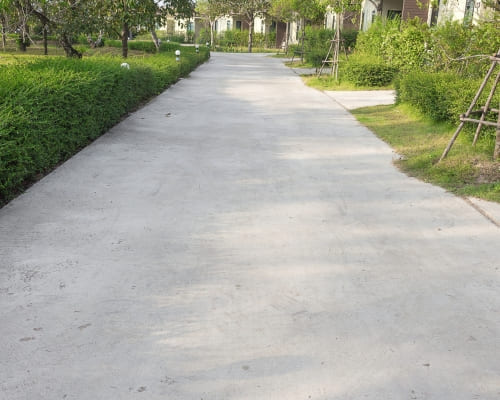
Resurfacing looks simple and is not, which is why so many failed overlays around the bayside suburbs are the result of the cheapest quote rather than the wrong product. The difference between a finish that lasts and one that lifts comes down to three things: judging the slab honestly, preparing it properly and applying the overlay in the right conditions. Peak Concreting Frankston quotes every resurfacing job after seeing the concrete in person, and the same crew carries the work through from preparation to the final seal.
Knowledge of bayside sand and peninsula clay
The ground under a slab decides how it has behaved and how it will behave after resurfacing. Older concrete on the coastal sands of Frankston, Seaford and Carrum Downs tends to show settlement cracks where the base was never compacted, while slabs further inland in Langwarrin and Frankston South sit on heavier, more reactive soils that move with the seasons. Knowing which pattern a crack belongs to is what separates a crack that can be filled and resurfaced from one that will keep moving. That judgement is made before the quote is written, so the price reflects the real work.
Samples and a test patch before you commit
Colour and texture are the parts of a resurface owners worry about most, and they are hard to judge from a small chip. Sample boards are brought to the property so finishes can be seen against the house, the garden and the actual light the slab sits in. On larger or more visible jobs, a small test area can be prepared and coated first to confirm the colour, the texture and how well the overlay bonds to that particular slab. It is a small step that removes most of the risk of an owner being disappointed by the result.
Peak Concreting Frankston
What Concrete Resurfacing Costs in Frankston
Concrete resurfacing is quoted per square metre, and the rate is driven far more by the condition of the existing slab and the finish chosen than by the product itself. As a general guide, a plain spray-on finish over a sound, clean driveway sits at the lower end, a stencilled pattern with a border costs more because of the extra stages and labour, and a full trowelled skim coat over a badly worn surface costs more again. In every case resurfacing usually costs considerably less than breaking out and replacing the same area, because there is no demolition, no spoil to cart away, no new base and no reinforced pour. A firm price is only possible after the slab has been seen.
What moves a resurfacing quote: area, condition, finish and access
Four factors set the price. Area matters because setup and preparation are spread across more square metres on a larger job, so the rate usually falls as the area grows. Condition matters most: a clean slab needs little more than a wash and prime, while one with oil stains, old sealer, many cracks or spalled patches needs hours of grinding and repair. Finish matters because stencils, borders and multiple colours add stages. Access matters on steep Mount Eliza and Frankston South driveways, or narrow side paths, where equipment and materials have to be carried in.
Why preparation is often the larger part of the price
Owners comparing quotes are often surprised that preparation can account for more of the cost than the overlay. Grinding off old sealer, degreasing oil-soaked concrete and rebuilding spalled areas are slow jobs, and they are the part of the work that decides whether the finish lasts. A quote that is much cheaper than the others is usually cheaper because it leaves some of that preparation out. When comparing prices, ask each contractor how the surface will be prepared, whether cracks will be repaired before the overlay and whether the finish will be sealed.
Peak Concreting Frankston
Resurfacing Versus Replacing Concrete
The choice between resurfacing and replacing comes down to one question: is the slab structurally sound? Resurfacing is the better value when the concrete is level, stable and only tired on top, because it renews the look for a fraction of the disruption. Replacement is the better value when the slab itself has failed, because no overlay can fix a base that has settled, a slab that is broken right through or a surface that sits at the wrong level for drainage. An honest assessment of which situation applies is worth more than either quote.
When replacing the slab is the better long-term call
Replacement is the right answer when a slab has sunk or tilted, especially where water now ponds against the house or the garage, when large sections rock or have broken into separate pieces, or when tree roots have lifted it. It is also the better choice when the levels need to change, for example to add a fall away from the house or to widen a single concrete driveway to a double. In those cases resurfacing would only add a new finish to a problem that will keep getting worse, and the money is better spent on a new pour built on a properly compacted base.
What an overlay can and cannot hide
An overlay hides discolouration, rust and oil staining, uneven old patches, a worn broom finish, minor pitting and fine, stable hairline cracks once they have been filled. It cannot hide level differences between slabs, a crack that is still opening, a sunken section or a surface that drains the wrong way, and it will not stop a reactive-clay slab from moving. Expansion and control joints in the old concrete are also kept open through the new surface, because covering them would simply transfer the crack into the overlay.
Peak Concreting Frankston
Driveway Resurfacing: Crossovers, Oil Stains and Worn Finishes
Driveways are the most common resurfacing job around Frankston, partly because so many of the bayside suburbs were built up between the 1950s and the 1980s and their original driveways are now grey, stained and patched, but still sound. Driveway resurfacing turns that tired slab into a uniform, sealed surface in a few days, without the noise, dust and expense of jackhammering out tonnes of concrete. It works best where the driveway is level and stable and the problem is appearance and wear rather than structure.
Resurfacing a driveway and its crossover
A full driveway resurface usually runs from the garage to the property boundary. The council-owned vehicle crossing beyond the boundary belongs to Frankston City Council or the Mornington Peninsula Shire, depending on the suburb, and any work on it needs to follow the council's crossover requirements, so the crossover is either resurfaced to match with the right approvals or left as it is. Where a crossover itself is broken or sits at the wrong level, it is usually replaced rather than resurfaced. The existing control joints in the driveway are marked out and kept through the new surface so the overlay can move with the slab.
Lifting oil stains, tyre marks and a worn broom finish
Oil is the main enemy of a driveway overlay, because it soaks deep into old concrete and stops new material from bonding. Stained areas are degreased and, where needed, ground back to clean concrete before priming. Black tyre marks from hot tyres turning on the slab are removed the same way. A broom finish that has worn smooth with decades of traffic is profiled so the new surface has grip again. Once resurfaced, the driveway is sealed with a product suited to vehicle traffic, which makes future oil spills much easier to clean before they stain. Ongoing concrete sealing every few years keeps that protection working.
Peak Concreting Frankston
Which Slabs Can Be Resurfaced: Patios, Pool Surrounds and Garage Floors
Driveways get most of the attention, but resurfacing works on almost any exterior or garage slab that is still sound. Patios, alfresco areas, paths, pool surrounds and garage floors are all common candidates, and each one has its own requirements for grip, wear and drainage. The first step is always the same: confirming that the concrete underneath can carry an overlay. On older bayside blocks that check matters even more, because a slab that looks tired is often hiding settlement on the sand beneath it.
How to tell whether a slab is still sound
A sound slab sits level with its neighbouring sections, does not rock or sound hollow when tapped, and has cracks that are fine, stable and not stepped. Warning signs include a crack wider than a few millimetres, one edge of a crack sitting higher than the other, water ponding where it never used to, and sections that have dropped near downpipes or garden beds. Any of these suggests the problem is under the surface rather than on it. A slab with those signs needs repair or replacement first, and the assessment visit is where that is checked and explained.
Pool surrounds that need to stay non-slip
Pool surrounds are a common resurfacing job because chlorine, salt water and constant wetting break down the top of the concrete faster than anywhere else on a property. Grip is the priority, so the overlay is given a textured finish and sealed with a slip-resistant additive rather than polished smooth. Lighter colours are usually recommended because they stay cooler under bare feet in summer. Where an owner prefers a smooth, stone-like look around the pool, a honed concrete finish on a new pour is often the better product.
Garage, patio and alfresco floors
Garage floors take hot tyres, oil and dropped tools, so they need a hard-wearing overlay and a sealer that resists chemicals and hot tyre pickup. Patios and alfresco areas are about looks and comfort, and they suit a smooth trowelled overlay, a stencilled pattern or a softer colour that ties into the house. Indoor floors that need a high-end finish are a different job, and polished concrete ground into a new or existing slab is usually the better choice there than an overlay.
TESTIMONIALS
What Our Concrete Resurfacing Customers Say About Us
The Process
3 Step Process For Your Concrete Resurfacing Needs

Free Quote
The slab is assessed to confirm it is sound enough to resurface, finishes are chosen from samples, and a fixed written price is given.

Preparation
The old surface is pressure-cleaned, degreased and ground, cracks and spalling are repaired, and a bonding primer is applied.

Finish and Handover
The overlay is sprayed, stencilled or trowelled on, joints are kept open, and the new surface is cured and sealed before it is used.
Concrete Resurfacing in Frankston
FREQUENTLY ASKED QUESTIONS
Everything you need to know about our Concrete Resurfacing in Frankston
Is resurfacing concrete a good idea?
Resurfacing is a good idea when the concrete is structurally sound but looks worn, stained or dated. It renews the surface for considerably less than replacement and with far less disruption. It is not a good idea on a slab that has sunk, is broken right through or is still moving, because the overlay will crack in the same place. An on-site assessment decides which situation applies.
Can I resurface my concrete myself?
Small, simple areas can be resurfaced with DIY products, but the result depends almost entirely on preparation: cleaning, degreasing, grinding off old sealer, repairing cracks and priming. Those steps are where DIY overlays usually fail, and an overlay that delaminates has to be ground off before the job can be done again. For a driveway or a large visible area, professional preparation is usually the cheaper outcome over the life of the surface.
What is the best thing to resurface concrete with?
The best material is a polymer-modified cement overlay designed to bond to existing concrete, applied over a properly prepared and primed surface and then sealed. Spray-on systems suit driveways and paths, stencilled systems suit patterned finishes, and trowelled skim coats suit worn or scaled surfaces. Paint-on coatings and plain concrete mixes are not the same product and do not bond or wear the same way.
Can you put a thin coat of concrete over existing concrete?
Ordinary concrete laid thinly over an old slab will not bond and tends to crack and lift. A thin layer only works with a purpose-made polymer-modified overlay, which is designed to grip a profiled, primed surface at a few millimetres thick. Where a thicker topping is needed to change levels, the job is treated as a new pour with its own base rather than as resurfacing.
How long does a resurfaced concrete finish last?
A well-prepared, sealed overlay on a sound slab can last many years. Its life depends on the preparation underneath, the traffic it carries and how often the sealer is renewed. Resealing every few years, particularly on driveways and pool surrounds, protects the colour from UV and keeps oil and chlorine from breaking down the surface.
Is resurfacing cheaper than replacing my concrete?
In most cases resurfacing costs considerably less than replacement, because there is no demolition, no spoil removal, no new base and no reinforced pour. The saving only applies when the slab is sound. If the concrete has failed structurally, replacement is the only lasting fix and resurfacing would be money spent on a surface that will crack again.
Request A Free Concrete Resurfacing Quote
BUSINESS
SERVICES
OPERATING HOURS
Sun: 7:00am - 9:00pm
Mon: 7:00am - 9:00pm
Tue: 7:00am - 9:00pm
Wed: 7:00am - 9:00pm
Thu: 7:00am - 9:00pm
Fri: 7:00am - 9:00pm
Sat: 7:00am - 9:00pm