Concrete Driveways Frankston, Built From the Base Up
What a Concrete Driveway Is
Concreting across Frankston, the bayside suburbs and the northern Mornington Peninsula, with a fixed written quote on every job.
A concrete driveway is a reinforced concrete slab, laid on a compacted base, that carries vehicles from the street to a garage, carport or parking area. Done properly it lasts for decades with little more than an occasional clean and reseal; done poorly it cracks, sinks at the edges or holds water within a few years. Peak Concreting Frankston builds new driveways, replaces failed ones and widens single driveways to doubles across Frankston, Seaford, Carrum Downs, Langwarrin, Frankston South, Mount Eliza and the northern Mornington Peninsula. The difference between the two outcomes is almost always underneath the surface, in the base, the thickness, the steel and the drainage, which is where the planning for every driveway starts.
GET A FREE QUOTE
Peak Concreting Frankston
Concrete Driveways Frankston: New Driveways, Replacements and Widening
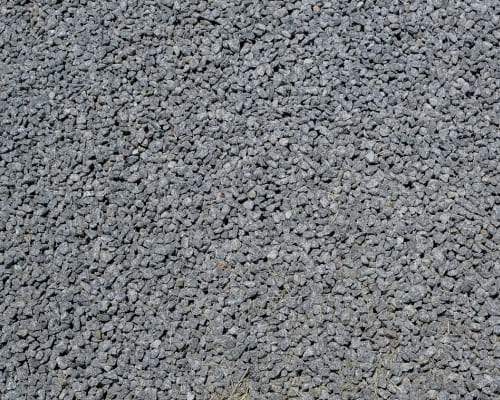
Concrete driveways in Frankston fall into three broad jobs: a new driveway for a new home or subdivision block, a replacement for an old driveway that has cracked, sunk or broken up, and widening an existing driveway to fit more cars. Each starts with the same questions about the ground, the levels and the crossover, but they differ in demolition, matching and approvals. Many of the bayside suburbs were built between the 1950s and the 1980s, so replacements make up a large share of driveway work here.
New driveways for new homes and subdivisions
On a new home the driveway is usually one of the last jobs, poured once the house is up and the services are in. The levels are set from the garage floor to the street so the driveway falls away from the house, and any pits, downpipes and services under the driveway area are located and protected. On subdivided blocks and battle-axe lots, long shared or rear driveways need careful drainage design because water collects along them. Building a new driveway at the same time as paths and alfresco slabs keeps finishes and levels consistent.
Replacing a cracked or sunken driveway
A driveway that has sunk, broken into separate sections, lifted at tree roots or holds water against the garage is a candidate for replacement. The old concrete is broken out and removed, the ground beneath is checked and recompacted, and a new driveway is built on a proper base. Where the slab is sound but tired-looking, concrete resurfacing is often the cheaper fix, and an honest assessment of which applies comes before any quote.
Widening a single driveway to a double
Widening a single driveway is a common request as households add cars. The new section is dowelled into the existing slab with steel bars so the two sections stay level, and a joint between them lets each move slightly without cracking. Matching the colour of new concrete to an old slab is rarely exact, so many owners choose to resurface or reseal the whole driveway afterwards, or to widen in a contrasting finish as a deliberate border. A wider driveway may also need a wider crossover, which brings in the council.
Vehicle crossovers and council permits
The crossover is the section of driveway between the property boundary and the road. It sits on council land, so building, widening or relocating one needs a permit from Frankston City Council or the Mornington Peninsula Shire, depending on the suburb, and must follow that council's standard drawings for thickness, layback kerb and finish. Chelsea Heights and nearby areas fall under the City of Kingston instead. The permit is applied for before work starts, and an inspection may be required before the crossover is poured.
Peak Concreting Frankston
Built for Frankston's Sand, Clay and Sloping Blocks
The ground under a driveway decides how it will behave, and around Frankston it changes more than in most parts of Melbourne. Loose coastal sand along the bay, reactive clay inland and steep granite slopes on the peninsula each need a different approach to the base and the design. A driveway built to one standard everywhere will suit some blocks and fail on others, so the ground is checked on site before the specification is set.
Compacting bayside sand under a driveway
Through Seaford, Frankston, Carrum Downs and the bayside strip, much of the ground is sand. It is low in reactivity, which is good, but it has little cohesion, so a driveway poured on loose sand settles under the weight of cars, especially along the edges and at the crossover. The sand is excavated to firm ground and a crushed rock base is laid and compacted in layers before any concrete goes down. Thickened edges help spread the load, and drainage is planned so water cannot wash the sand out from beneath the slab.
Reactive clay and tree roots
Inland around Langwarrin, Frankston South and parts of the higher peninsula, reactive clay swells when wet and shrinks when dry, lifting and dropping a driveway with the seasons. Driveways on clay are reinforced and jointed to manage that movement, and water is kept away from the edges so the clay beneath stays at a steadier moisture level. Large trees near a driveway make clay shrink further in dry summers and send roots under the slab; root barriers or keeping a distance from trees help prevent the lifting and cracking that results.
Steep driveways in Frankston South and Mount Eliza
Hilly suburbs such as Frankston South, Mount Eliza and Mount Martha have many steep driveways that rise or fall sharply from the street. A steep driveway needs a textured finish for grip in wet weather, transitions shaped so cars do not scrape at the top or bottom, and drainage that stops water running straight into the garage. Formwork has to hold the concrete on the slope during the pour, and on very steep sections the concrete mix and finishing are adjusted so the surface does not slump.
Peak Concreting Frankston
Driveway Slab Thickness, Mesh, Joints and Drainage
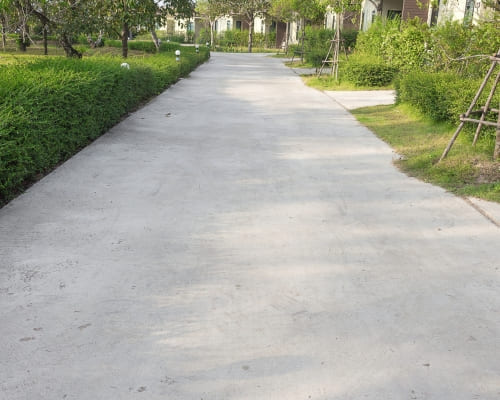
Beneath any finish, a driveway is a structural slab that has to carry cars, delivery vans and the occasional heavier vehicle without cracking or sinking. Its strength comes from four things working together: thickness, reinforcement, joints and drainage. Each is set to suit the vehicles it will carry and the ground it sits on, and none of them can be added once the concrete has been poured, which is why they are fixed in the quote rather than decided on the day.
How thick a driveway slab needs to be
A standard residential driveway for cars is commonly around 125mm thick, thicker than a path or patio, on a compacted crushed rock base. Driveways that will carry heavier vehicles, such as caravans, boats, trucks delivering to a rural property or commercial traffic, are designed thicker again with heavier reinforcement. The crossover is built to the council's specification, which may differ from the rest of the driveway. Thickening the edges of the slab, where wheels often run close, adds strength where it is most needed.
Mesh, control joints and crack control
Steel reinforcing mesh is set on bar chairs within the slab so it controls shrinkage cracking and holds the concrete together. All concrete shrinks as it cures and will crack somewhere, so control joints are cut across the driveway at planned intervals; any cracking then follows those straight lines rather than wandering across the surface. The joint layout is set out so the panels are roughly square, and joints are placed where the driveway changes width or meets the house, path or crossover.
Falls, grated drains and where driveway water goes
A driveway is a large hard surface that collects a lot of rain, and it has to send that water somewhere safe. The slab is laid with falls that move water away from the house and garage, towards the street, a garden area or a drain. Where a driveway slopes down towards a garage, a grated drain across the bottom catches the water before it reaches the door, connected to the stormwater system. On sandy blocks, water discharged at the edge of a driveway can wash out the base, so outlets are planned carefully.
Peak Concreting Frankston
What a Concrete Driveway Costs in Frankston
Concrete driveways are priced per square metre, and the rate depends on the finish, the ground, the access and how much has to be removed first. Plain broomed concrete is the most economical driveway finish; exposed aggregate costs more, and stamped or other decorative finishes more again. The rate per square metre also falls as the size of the driveway grows, because setup and delivery are spread over a larger area. A fixed price is given after the driveway has been measured and the ground and crossover checked on site.
How a driveway is priced per square metre
The square-metre rate covers excavation to the right depth, the crushed rock base and compaction, the formwork, the reinforcing mesh, the concrete itself, placing and finishing, cutting the control joints and cleaning up. A thicker slab for heavier vehicles adds concrete and steel. Decorative finishes add materials and labour on the day of the pour, and sealing adds a final visit. Comparing quotes line by line shows whether each includes the base, the steel and the joints, which are where cheap quotes usually cut back.
Demolition, access and the crossover
Several costs sit on top of the square-metre rate. Breaking out and removing an old driveway adds demolition and disposal, which depends on its thickness and whether it is reinforced. Poor access, such as a long driveway behind a house or a narrow side path, may mean a concrete pump or extra labour. A new or widened crossover needs a council permit and must be built to the council's specification. Retaining, steps or drains on a steep block are priced separately so the quote is transparent.
Peak Concreting Frankston
Concrete Driveways Versus Asphalt, Pavers and Gravel
Concrete is the most popular driveway material around Frankston, but asphalt, pavers and gravel are all used, and each has a place. The choice comes down to upfront cost, lifespan, maintenance, appearance and how well each material copes with the local ground. On sandy bayside blocks and steep peninsula driveways, how the surface handles settlement and water often matters as much as the price, and the cheapest surface to lay is rarely the cheapest to own.
Concrete versus asphalt driveways
Asphalt usually costs less to lay than concrete and is quick to install, which makes it common on long rural driveways. It is flexible, so it copes with minor ground movement, but it softens in hot weather, can be marked by turning tyres and stands, and needs resealing every few years to stop it drying out and crumbling. A concrete driveway costs more at the start but lasts considerably longer with less upkeep, stays cooler, and can be given a decorative finish. Over the life of the driveway, concrete is usually the better value on a suburban block.
Concrete versus pavers and gravel
Pavers look attractive and individual units can be lifted for repairs, but they cost more to lay over a large area, need a well-compacted base and edge restraint, and tend to sink or spread on soft sand if the base is not right. Weeds grow in the joints. Gravel is the cheapest surface but scatters, ruts under turning tyres and washes away on slopes. A concrete driveway gives a continuous surface with only a few planned joints, which is easier to keep clean and stays level when the base has been done properly.
Peak Concreting Frankston
Driveway Finishes: Plain, Exposed Aggregate, Coloured and Stamped
The finish is the visible part of a driveway, and it affects grip, how well the surface hides dirt and tyre marks, the cost and how the front of the property looks from the street. All of the common finishes are applied to the same structural slab, so the choice is about appearance, budget and maintenance rather than strength. On steep blocks grip is the first consideration; on flatter suburban driveways, looks and upkeep tend to decide it.
A broomed plain concrete finish
A plain concrete driveway is finished with a broom drawn across the surface while the concrete is still workable, leaving fine ridges that give grip for tyres and feet. It is the most economical finish and very hard-wearing, though plain grey concrete shows oil, rust and tyre marks more than decorative finishes. Applying a sealer once the slab has cured makes stains easier to clean. Where an existing plain driveway has been stained or patched, concrete sealing or a driveway paint system can refresh it without replacing the slab.
Decorative driveway finishes
Exposed aggregate is the most popular decorative driveway finish around Frankston, with the cement paste washed off to reveal the stones and give a textured, grippy surface that hides dirt well. Coloured concrete uses oxide pigments through the mix for a smooth, single-colour driveway. Stamped concrete presses patterns that imitate pavers, stone or slate into the surface. Each costs more than plain concrete, and each is laid on the same well-built base and slab described above.
Peak Concreting Frankston
Permeable Concrete Driveways
A permeable concrete driveway lets rainwater soak straight through the surface into the ground below instead of running off into the street. It is made with pervious concrete, a mix with little or no sand, so the stones are bound together with open spaces between them, laid over a deep base of open-graded crushed rock that stores the water while it soaks away. Interest in permeable driveways around Frankston has grown as more homes look to manage stormwater on their own block.
How a permeable driveway drains
Rain falls on the surface, passes through the connected voids in the pervious concrete and collects in the open-graded rock base beneath, which acts as a temporary reservoir. From there it soaks into the natural ground over the following hours, or is directed to a drain where the soil cannot take it. Because the water goes down rather than across, there is little or no surface run-off and no puddles. The voids have to stay open to work, so the driveway is swept regularly and occasionally vacuumed to clear fine dirt.
Where permeable driveways suit and where they do not
Permeable driveways suit sandy, free-draining ground such as much of the bayside strip, flat or gently sloping blocks, and properties where reducing run-off is a priority. They are less suited to heavy reactive clay that will not absorb water, to sites with a very high water table such as parts of Carrum Downs, and to steep driveways where water would run through the base downhill. Pervious concrete is also less strong than standard concrete, so it suits cars rather than heavy vehicles, and it costs more to build than a standard driveway.
TESTIMONIALS
What Our Concrete Driveways Customers Say About Us
The Process
3 Step Process For Your Concrete Driveways Needs

Free Quote
The driveway is measured, the ground, falls and crossover are checked, and a fixed written price is given that lists demolition, base, steel and finish.

Preparation
Any old driveway is broken out, the ground is excavated and a crushed rock base is compacted, then formwork, mesh and the council crossover are set out.

Finish and Handover
The concrete is poured and finished, control joints are cut, and the driveway is cured and sealed before cars are allowed on it.
Concrete Driveways in Frankston
FREQUENTLY ASKED QUESTIONS
Everything you need to know about our Concrete Driveways in Frankston
Is a concrete driveway expensive in Frankston?
A concrete driveway costs more than gravel or asphalt to lay, but less over its lifetime because it lasts longer and needs little maintenance. The price depends on the size, the finish, the ground, the access and whether an old driveway has to be removed. Plain concrete is the most economical finish, with exposed aggregate and stamped finishes costing more.
How long does it take to lay a concrete driveway?
Most residential driveways take two to four days on site: a day or more for demolition and excavation, a day to lay the base, formwork and mesh, and a day for the pour and finish. Joints are cut soon after. Cars should be kept off the new driveway for around a week, longer in cold weather, while the concrete gains strength.
How do I know the driveway will not crack or lift?
No concrete is crack-free, but a driveway built on a compacted base, at the right thickness, with reinforcing mesh, planned control joints and good drainage will crack only along its joints and stay level. Most cracked or lifted driveways around Frankston were poured on loose sand, too thin, without joints or too close to trees.
Do I need a permit for a new driveway?
The driveway on private land usually does not need a building permit, but the crossover between the boundary and the road does need a permit from the council, whether that is Frankston City Council, the Mornington Peninsula Shire or the City of Kingston. Widening or relocating a crossover also needs approval.
Can I concrete my driveway myself?
A driveway is a large pour that has to be placed, finished and jointed within a short window, with a properly compacted base and correct falls. Mistakes cannot be fixed once the concrete has set, and the crossover must meet council standards. Most owners find a professional driveway is cheaper than repairing or replacing a failed DIY one.
Should I choose plain, exposed aggregate or coloured concrete?
Plain broomed concrete is the most economical and hard-wearing, exposed aggregate hides dirt and gives the best grip on slopes, and coloured concrete gives a smooth, single-colour look. On steep driveways exposed aggregate is usually the most practical; on flat suburban driveways the choice is mostly about appearance and budget.
Request A Free Concrete Driveways Quote
BUSINESS
SERVICES
OPERATING HOURS
Sun: 7:00am - 9:00pm
Mon: 7:00am - 9:00pm
Tue: 7:00am - 9:00pm
Wed: 7:00am - 9:00pm
Thu: 7:00am - 9:00pm
Fri: 7:00am - 9:00pm
Sat: 7:00am - 9:00pm