Honed Concrete Frankston, Smooth Stone Without the Slip
What Honed Concrete Is
Concreting across Frankston, the bayside suburbs and the northern Mornington Peninsula, with a fixed written quote on every job.
Honed concrete is a slab that has been ground flat with diamond tooling to cut through the cement surface and reveal a cross-section of the stones inside it, then sealed. The result is smooth and stone-like to look at but, unlike a high-gloss polished floor, it keeps a matte surface that can be made slip resistant for outdoor use. That combination is why honed concrete has become a favourite for alfresco areas, pool surrounds and front entries around Frankston and the bayside suburbs. Peak Concreting Frankston pours slabs designed to be honed and grinds them to the level of stone exposure the owner chooses, from Seaford and Carrum Downs down to Mount Eliza and Mornington. Honing is decided before the pour, not after it, because the mix and the flatness of the slab set what the grinder can achieve.
GET A FREE QUOTE
Peak Concreting Frankston
Honed Concrete Frankston: Alfresco Areas, Entries and Interior Floors
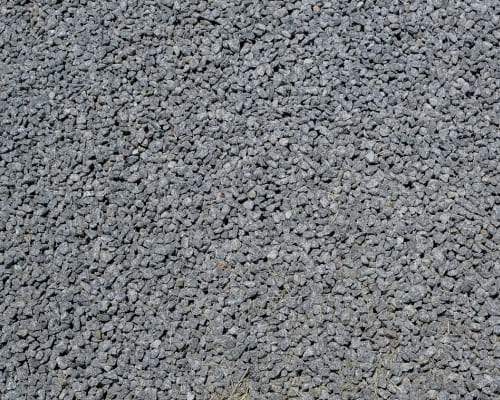
Honed concrete in Frankston is mostly laid where people spend time on foot rather than where cars drive. A honed surface is flat and smooth enough for outdoor furniture, comfortable to walk on and easy to sweep, which suits the indoor-outdoor living areas that most renovations around the bayside suburbs now include. It is less suited to steep driveways, where a textured finish gives better traction, so it is normally paired with a different finish out at the street.
Honed alfresco and outdoor living areas
An alfresco area is the most common honed concrete job. The flat, stone-faced surface reads like natural stone paving without the joints between pavers, so there are no edges for chairs to catch on and nowhere for weeds or ants to come through. Under a roof or pergola, where the slab stays mostly dry, a honed finish can be sealed for a richer colour; on open patios exposed to rain and the sea breeze, an anti-slip sealer is used instead. Matching the alfresco slab level to the internal floor creates a near-seamless step from the living room outside.
Front entries, paths and porches
A honed entry gives a home a clean, architectural first impression, and it is often used for the front porch and the main path from the street while the driveway gets a more textured finish. Because entries and paths stay damp in Frankston's long wet winters, they are always given a slip-resistant seal rather than a gloss. A border or step edge in the same honed concrete keeps the look consistent, and falls are built in so water runs off the path rather than sitting on its smooth surface.
Honed floors inside the house and garage
Inside a home or a garage, a honed finish gives a durable, low-maintenance floor with the look of stone. It is ground to the same matte level as an outdoor slab but can be sealed with a harder-wearing coating suited to indoor traffic. Where an owner wants a reflective, gloss finish indoors instead, the slab is taken through finer grits to become polished concrete. Honed suits garages and living areas where a little texture and a muted sheen are preferred over a mirror shine.

Peak Concreting Frankston
How Concrete Is Honed: Grinding, Exposure Levels and Sealing
Honing is a mechanical process, and almost everything about the final look is set by three decisions: how deep the grind goes, how far through the grit sequence the surface is taken, and what it is sealed with. Each of those decisions is made with the owner before work starts, using samples, because a honed finish cannot be put back once the surface has been ground away. A small test area is often ground first so the owner can see the result.
Grinding with diamond tooling, step by step
Once the slab has cured enough to be ground without tearing stones out, a planetary grinder fitted with metal-bonded diamond segments takes off the top layer of cement paste. Successively finer resin-bonded diamond pads then remove the scratches left by the coarser ones. A honed finish stops at a medium grit, which leaves a smooth, matte surface; a polished floor continues to much finer grits and a densifier to produce gloss. Any small holes exposed by the grinding are filled with a matching grout before the final passes so the surface is closed and even.
Light, medium and full stone exposure
The depth of the first grind decides how much stone shows. A light grind, often called a cream finish, removes only the surface laitance and shows very little aggregate. A medium grind exposes the fine sand and scattered small stones for a speckled look. A full exposure grinds deeper to show the larger stones across the whole surface, which is the look most people associate with honed concrete outdoors. The deeper the grind, the more consistent the slab underneath must be, so full exposure is planned from the mix design onwards.
Sealers and anti-slip additives
Every honed slab is sealed, both to protect it and to set its final appearance. Penetrating sealers soak in and leave a natural, matte look with little change in colour; topical sealers sit on the surface and deepen the colour, with a range from matte to satin. Outdoors, a fine anti-slip grit is mixed into the sealer so the surface keeps grip when wet. Near the bay, where salt spray settles on outdoor surfaces, a well-sealed honed slab resists staining and is far easier to rinse clean. Ongoing concrete sealing every few years keeps that protection in place.
Peak Concreting Frankston
Getting an Even Honed Finish: Flatness, Timing and Grind Depth
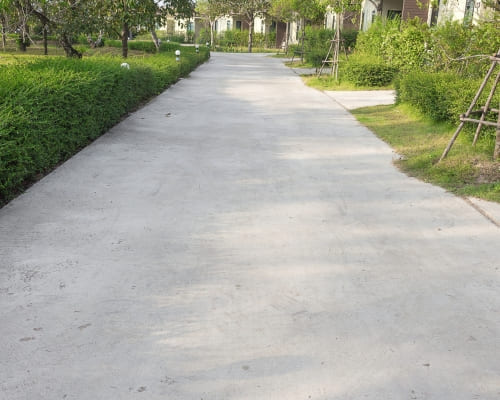
A honed slab shows its flaws more clearly than any other concrete finish, because the grinder exposes whatever is underneath the surface. Most patchy or disappointing honed concrete comes from a slab that was never poured to be honed, ground at the wrong time or ground unevenly. Peak Concreting Frankston treats a honed job as one process from the pour to the seal, so the slab is built for the finish rather than ground in the hope it works out.
Why flatness at the pour decides the grind
A grinder takes off a near-uniform depth across the slab, so if the surface was poured with high and low spots, the high spots end up showing large stones while the low spots barely reach the sand. The result is a blotchy finish that no amount of extra grinding can fix without going too deep elsewhere. A slab intended for honing is screeded and finished flatter than an ordinary broomed slab, with the decorative aggregate distributed evenly through the mix, so the grind reveals a consistent face from one side to the other.
Avoiding grind marks and patchy exposure
Swirl marks and scratches come from skipping grit steps or rushing between them, so each pad is run until it has removed the marks of the one before. Patchy exposure comes from grinding too early, which tears stones out, or too late, when the slab has become hard enough that the grind depth varies with the tooling. Edges and corners are a common weak spot because large grinders cannot reach them, so they are finished with smaller hand tools at the same grit sequence. Checking the surface under low-angle light between passes shows marks that are invisible from above.
Peak Concreting Frankston
What Honed Concrete Costs in Frankston
Honed concrete costs more per square metre than plain or exposed aggregate concrete, because the slab has to be poured to a higher standard of flatness with a decorative aggregate, and the grinding itself adds several stages of machine work after the concrete has cured. It usually sits below a full high-gloss polished floor, which needs more grit stages and a densifier. A fixed price for a Frankston job depends on the area, whether the slab is new or existing, the level of stone exposure chosen and the sealer, and it is given after the site has been inspected.
What moves the honed concrete price per square metre
Area matters because grinding equipment, setup and the edge work are spread over more square metres on a larger job, so the rate falls as the area grows. Exposure level matters: a full stone exposure grinds deeper and takes longer than a light cream finish. The sealer matters, with anti-slip systems for pool surrounds and open patios costing more than a basic penetrating seal. Access affects cost where grinders and vacuums have to be carried around the side of a house, and steps, edges and tight corners add hand-finishing time.
New slabs versus honing an existing slab
Pouring a new slab designed to be honed gives the most control, because the mix, the aggregate and the flatness are all chosen for the finish. Honing an existing slab is possible, but the result depends on what stone happens to be in it and how flat it was poured, and old slabs often show patches, repairs and cracks once ground. An existing slab is checked with a small test grind before a price is given, so the owner can see what the stone looks like before committing to the whole area.
Peak Concreting Frankston
Honed Versus Polished Concrete, Exposed Aggregate and Pavers
Honed concrete is usually being weighed against three alternatives: polished concrete, exposed aggregate and pavers or tiles. All four can look good; the differences are in grip, maintenance, cost and where each one performs best. Around Frankston, where outdoor surfaces get wet for much of the year and salt spray reaches homes near the bay, those practical differences tend to decide the choice. Against exposed aggregate concrete, honed is smoother and more refined, while exposed aggregate is more textured, costs less and grips better on a sloping driveway.
Honed versus polished concrete
Honed and polished concrete start the same way, with a slab ground to reveal its aggregate. Polished concrete is taken through much finer grits and densified to a reflective gloss, which looks striking indoors but becomes slippery when wet, so it is rarely used outside. Honed stops at a matte finish that can be sealed with an anti-slip additive, making it the practical choice for patios, entries and pool areas. Indoors the choice is mostly about appearance: polished gives shine, honed gives a softer, stone-like look.
Honed versus pavers and tiles
Pavers and outdoor tiles give a similar stone look, but every joint is a place for weeds, ants and sand to work in, and individual pavers can sink or lift over time, especially on the soft sandy ground along the bayside strip. A honed slab is one continuous surface with only a few planned control joints, so it stays flat and is simpler to clean. Tiles can crack if the slab beneath moves. Pavers remain easier to lift and replace in small sections, which some owners value over the long term.
Peak Concreting Frankston
Honed Concrete Around Pools: Grip, Heat and Pool Water
Honed concrete around pools is one of the most searched uses of the finish, because it gives the clean, natural-stone look many owners want beside the water. A pool surround is also the hardest test a honed slab faces: it is wet much of the time, walked on barefoot, exposed to chlorine or salt water and in full summer sun. Each of those conditions shapes how the slab is specified and finished, and getting them right is what separates a pool deck that is enjoyable from one that is slippery or too hot to stand on.
Slip resistance on a wet pool deck
Slip resistance for pedestrian surfaces in Australia is classified under AS 4586, and wet barefoot areas such as pool surrounds call for a surface with good wet grip. A honed finish on its own can be too smooth for a pool deck, so it is sealed with an anti-slip additive and kept at a coarser hone rather than a fine one. The falls around the pool are set so water drains away from the edge quickly rather than lying on the surface. The aim is a deck that feels smooth to look at but grips under wet feet.
Choosing a cooler blend for bare feet
Concrete absorbs heat in summer, and a dark surface beside a pool can become uncomfortable to walk on barefoot on a hot day. Lighter cement bases and paler aggregates reflect more of the sun and stay noticeably cooler, which is why light grey, white and sandstone-toned blends are popular around pools. Frankston's summers are milder than inland Melbourne, but north-facing pool areas sheltered from the sea breeze still get hot. Shade from a pergola or umbrella also helps where a darker look is preferred.
Chlorine, salt water and resealing
Pool water splashed onto concrete leaves chlorine or salt behind as it dries, and over time that can etch an unprotected surface and dull the exposed stone. A quality sealer forms the barrier, and it needs to be renewed regularly; pool surrounds generally need resealing more often than a covered alfresco slab. Rinsing the deck with fresh water after heavy use and checking that water still beads on the surface are the simplest signs that the seal is still working.
Peak Concreting Frankston
Honed Concrete Colours and Aggregate Blends
The colour of honed concrete comes from two layers that the grinder exposes together: the cement paste and the cross-section of the stones inside it. Because the stones are cut flat rather than left rounded, their colour and pattern show more clearly than on an exposed aggregate surface. Choosing a honed colour is therefore a combination of a base colour and an aggregate blend, decided together with samples before the concrete is ordered.
Natural grey and tinted cement bases
A natural grey base gives a clean, contemporary look and is the most economical option. A white or off-white cement base brightens the surface and makes the stones stand out, which suits coastal homes and pool surrounds. Oxide pigments can tint the base charcoal, sand or warmer earthy tones; they are mixed through the whole slab, so the colour goes all the way down rather than sitting on the surface. A tinted base also hides minor marks better than a very pale one.
Aggregate blends that show when ground
Different stones look very different once they are cut. River pebbles show soft, rounded sections in mixed browns and greys; quartz gives white and translucent flecks; crushed granite and basalt give sharper, angular shapes in grey, black and pink. Larger stones give a bolder terrazzo-like pattern, smaller ones a finer, more even speckle. Owners who also want a matching textured driveway can use the same blend for a washed exposed aggregate finish at the street and a honed finish around the house, which ties the whole property together.
TESTIMONIALS
What Our Honed Concrete Customers Say About Us
The Process
3 Step Process For Your Honed Concrete Needs

Free Quote
The area is measured, the stone exposure and sealer are chosen, and a fixed written price is given, with a test grind on existing slabs.

Preparation
A slab designed for honing is poured flat with the chosen aggregate, or an existing slab is cleaned and repaired, and left to cure.

Finish and Handover
The slab is ground to the chosen exposure, refined to a matte hone, and sealed with an anti-slip additive outdoors.
Honed Concrete in Frankston
FREQUENTLY ASKED QUESTIONS
Everything you need to know about our Honed Concrete in Frankston
What is honed concrete?
Honed concrete is a concrete slab that has been ground flat with diamond tooling to remove the top layer of cement and reveal a cut cross-section of the stones inside, then sealed. It has a smooth, matte, stone-like look and, with the right sealer, can be made slip resistant for outdoor areas such as patios, entries and pool surrounds.
Is honed concrete slippery when wet?
A plain honed surface can be slippery when wet, which is why outdoor honed concrete is sealed with an anti-slip additive and kept at a coarser hone than an indoor floor. With the right finish and sealer it gives good wet grip for patios, paths and pool surrounds. Polished concrete, which is ground much finer to a gloss, is the finish to avoid outdoors.
How much is honed concrete per square metre?
The price per square metre depends on the area, whether the slab is new or existing, the level of stone exposure, the sealer and the access. It costs more than plain or exposed aggregate concrete and usually less than a fully polished floor. A fixed price is given after the site has been inspected and, for an existing slab, a test grind.
Is honed concrete cheaper than polished concrete?
Usually, yes. Honed concrete stops at a medium grit and a matte sealer, while polished concrete continues through finer grits and a densifier to reach a gloss, which adds machine time. The difference depends on the gloss level wanted for the polished option and the size of the area.
Can honed concrete be used outdoors and around pools?
Yes. Honed concrete is widely used for alfresco areas, entries and pool surrounds, provided it is sealed with an anti-slip additive and laid with falls that drain water away. Around pools, lighter blends stay cooler underfoot and the sealer needs renewing regularly to protect against chlorine or salt water.
Can I get honed concrete in a colour?
Yes. The cement base can be natural grey, white or tinted with oxide pigments, and the aggregate blend can be chosen for colour and stone size. Because both layers are exposed by the grind, the colour runs through the slab rather than being a surface coating. Samples are compared on site before the concrete is ordered.
Request A Free Honed Concrete Quote
BUSINESS
SERVICES
OPERATING HOURS
Sun: 7:00am - 9:00pm
Mon: 7:00am - 9:00pm
Tue: 7:00am - 9:00pm
Wed: 7:00am - 9:00pm
Thu: 7:00am - 9:00pm
Fri: 7:00am - 9:00pm
Sat: 7:00am - 9:00pm